

Secure KVM: Hardware-Enforced Isolation Across Classified Networks

Secure KVM Switch: Hardware-Enforced Network Isolation
In high-security data centre environments, operators frequently need access to systems across multiple classification levels simultaneously. The challenge is maintaining absolute separation between classified and unclassified networks while enabling efficient workflow—a task that software-based solutions alone cannot guarantee.
A secure KVM switch enforces this critical boundary at the hardware level, allowing a single operator to control computers at different classification levels using one keyboard, mouse, and monitor without any data leakage between networks. By physically isolating input/output streams, this specialized peripheral device eliminates the risk of accidental or malicious data transfer across security boundaries that traditional network segmentation cannot address.
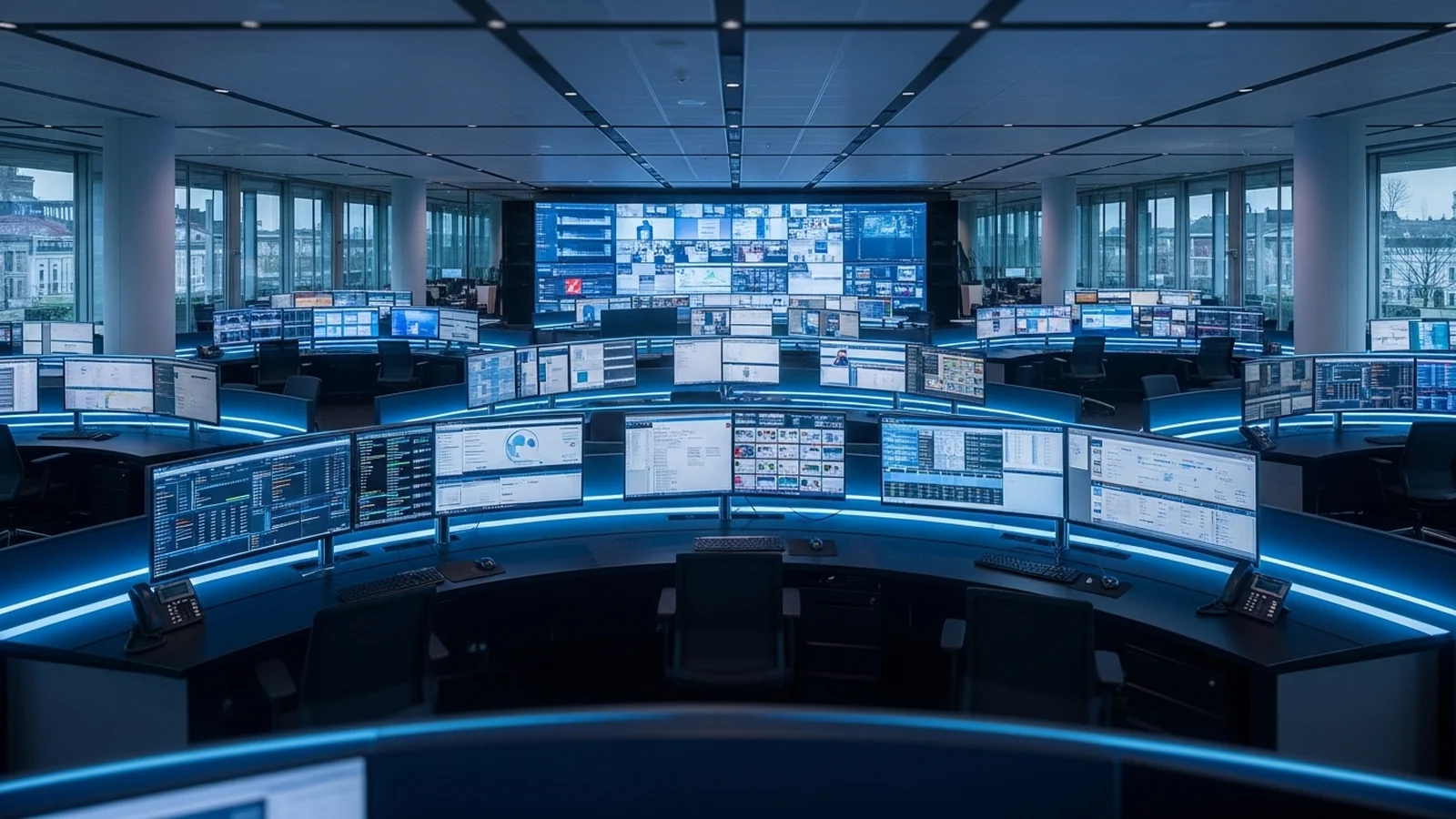
One operator. Two networks at different classification levels. One keyboard, one mouse, one screen. The rule is absolute: nothing crosses from the classified side to the unclassified side. A secure KVM switch is the device that enforces that rule in hardware.
Secure KVM switch: a peripheral sharing device that lets a single operator work across computers at different classification levels from one set of peripherals, while keeping each connection on a physically isolated data path so information cannot pass between the systems.
The buffer is the leak
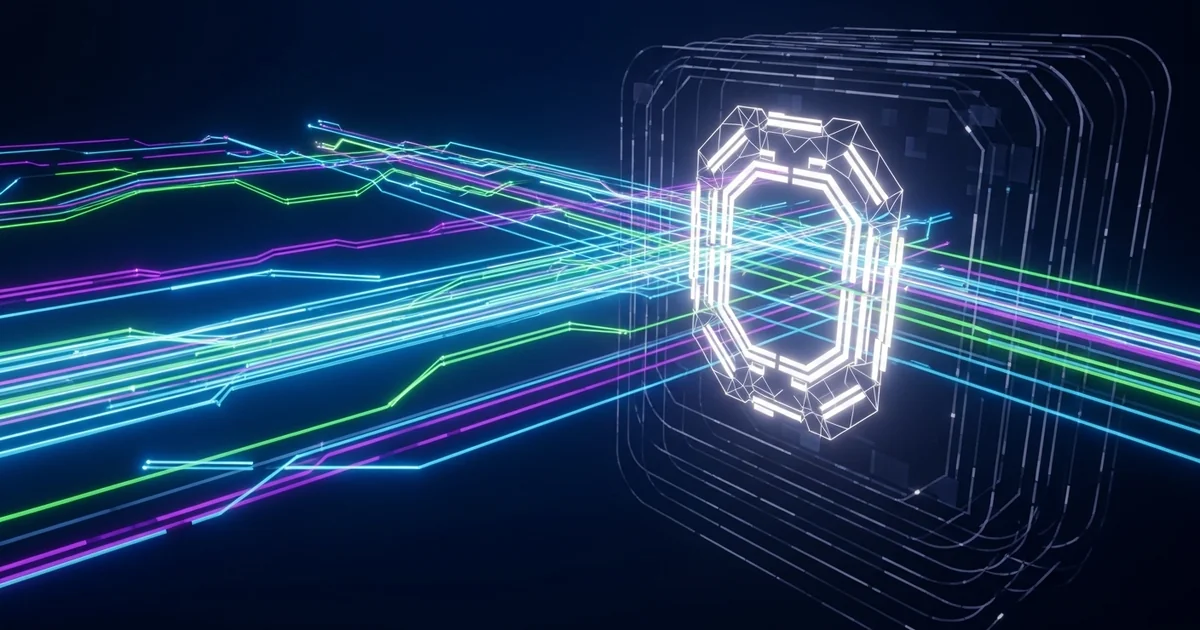
A standard KVM shares peripherals by buffering data and passing it between ports. That buffer is the leak. A secure KVM certified to NIAP Protection Profile 4.0 removes it. Each port is an electronically isolated channel. Data flows one direction only. Nothing is stored, so nothing can cross when the operator switches.
What NIAP Protection Profile 4.0 tightened
NIAP runs under the NSA. Version 4.0 replaced version 3.0 in 2020 and raised the bar. PS/2 ports are banned. Firmware is locked and cannot be reprogrammed. The chassis carries always-on intrusion detection and tamper-evident labels. Port selection is by physical pushbutton, not software. The keyboard buffer clears on every switch.
What hardware isolation looks like
Why the certification is the point
Command and control rooms, defence, and government run the same problem: operators need eyes on classified and unclassified systems at once, from one desk, with no path between them. NIAP certification is administered under the NSA and tested to a fixed protection profile. It is the proof that path does not exist, rather than a vendor claim that it should not.
Working across networks at different classification levels? We will match a certified secure KVM to your model.
Talk to Enova about secure KVMFrequently asked questions
What is a secure KVM switch?
A secure KVM switch lets one operator control several computers at different classification levels from a single keyboard, monitor and mouse, while keeping the data paths physically isolated so nothing crosses between the connected systems.
What is NIAP Protection Profile 4.0?
It is the current common criteria standard for peripheral sharing devices, administered by NIAP under the US National Security Agency. Version 4.0 replaced version 3.0 in 2020. It bans PS/2 ports, requires non-reprogrammable firmware, mandates chassis intrusion detection and tamper-evident labels, and uses a base profile with modules per peripheral type.
How does a secure KVM stop data leaking between networks?
Each port is an electronically isolated channel with a dedicated, unidirectional data path. Data is not buffered, so when the operator switches from a classified to an unclassified system nothing is retained that could carry across.
Can a secure KVM support 4K video?
Yes. Both Raritan Secure Switch and Adder ADDERView Secure support resolutions up to UHD 4K at a 60Hz refresh rate while remaining certified to NIAP Protection Profile 4.0.
Where are secure KVM switches used?
Command and control rooms, defence and government environments where operators need simultaneous access to systems at different classification levels from one desk, and where a certified isolation guarantee is required.
How does smart-card or CAC authentication work on a secure KVM?
The card reader sits on its own circuit, separate from the keyboard and mouse path. Credentials are filtered and qualified before connecting to the selected computer, so authentication data never shares the peripheral channel.

Published by
eNOVA Technologies is Singapore's specialist distributor for data centre IT management solutions, representing Adder, Guntermann & Drunck, Raritan, Sunbird, ZPE Systems, and VuWall across Singapore and Southeast Asia. Our technical content is produced with AI assistance and reviewed by our in-house team before publication.
This article was produced with AI assistance and reviewed by the eNOVA Technologies team. All technical claims are verified against manufacturer documentation.