



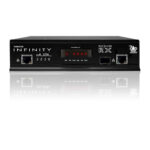
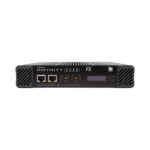
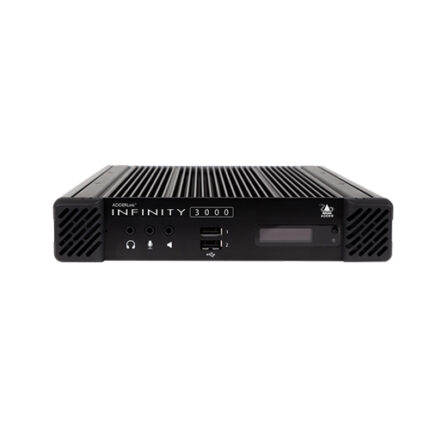
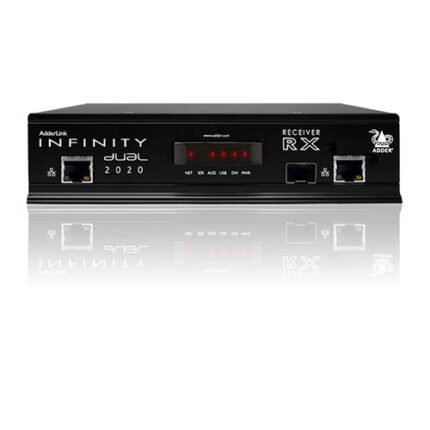
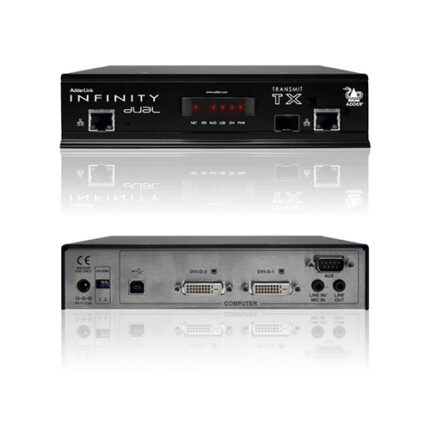






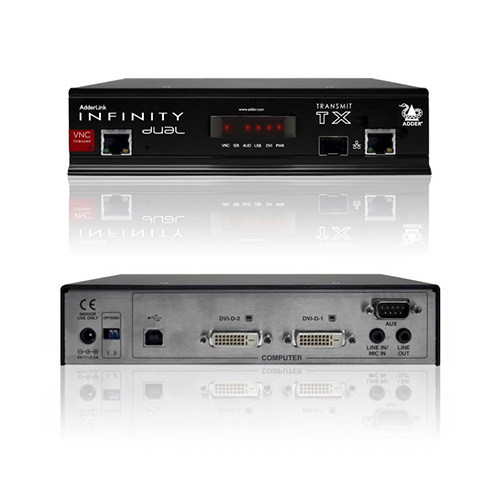
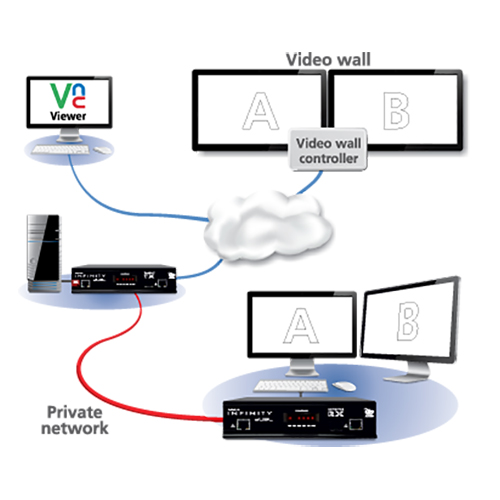
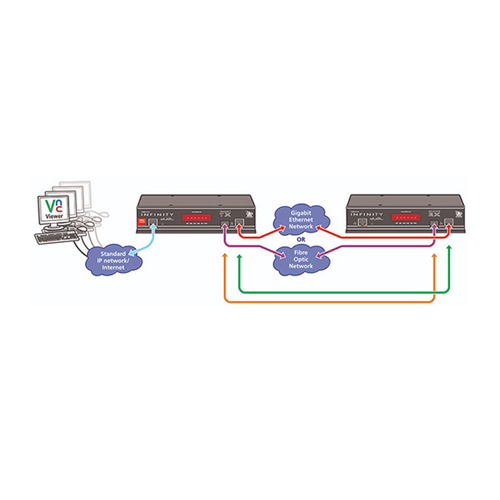
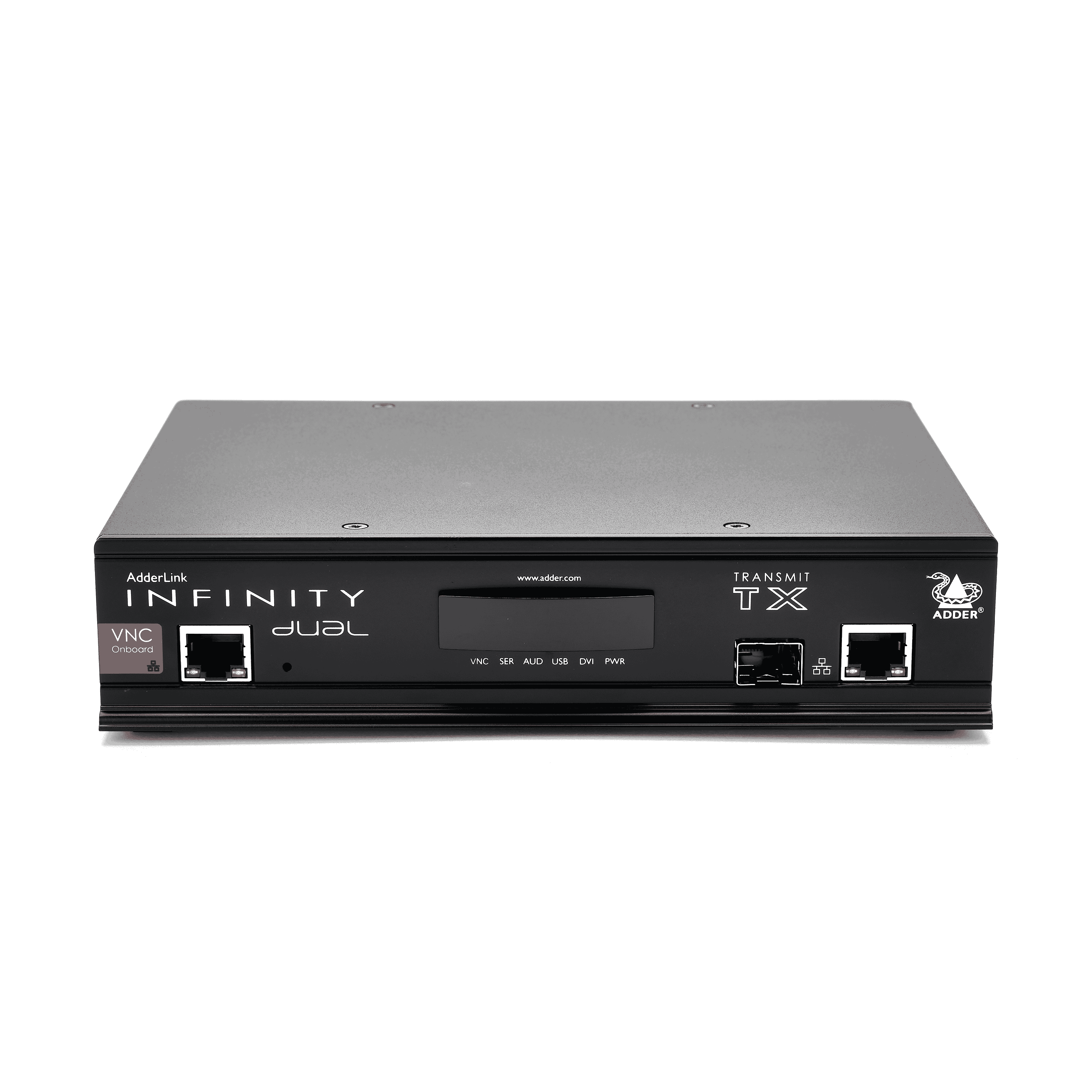
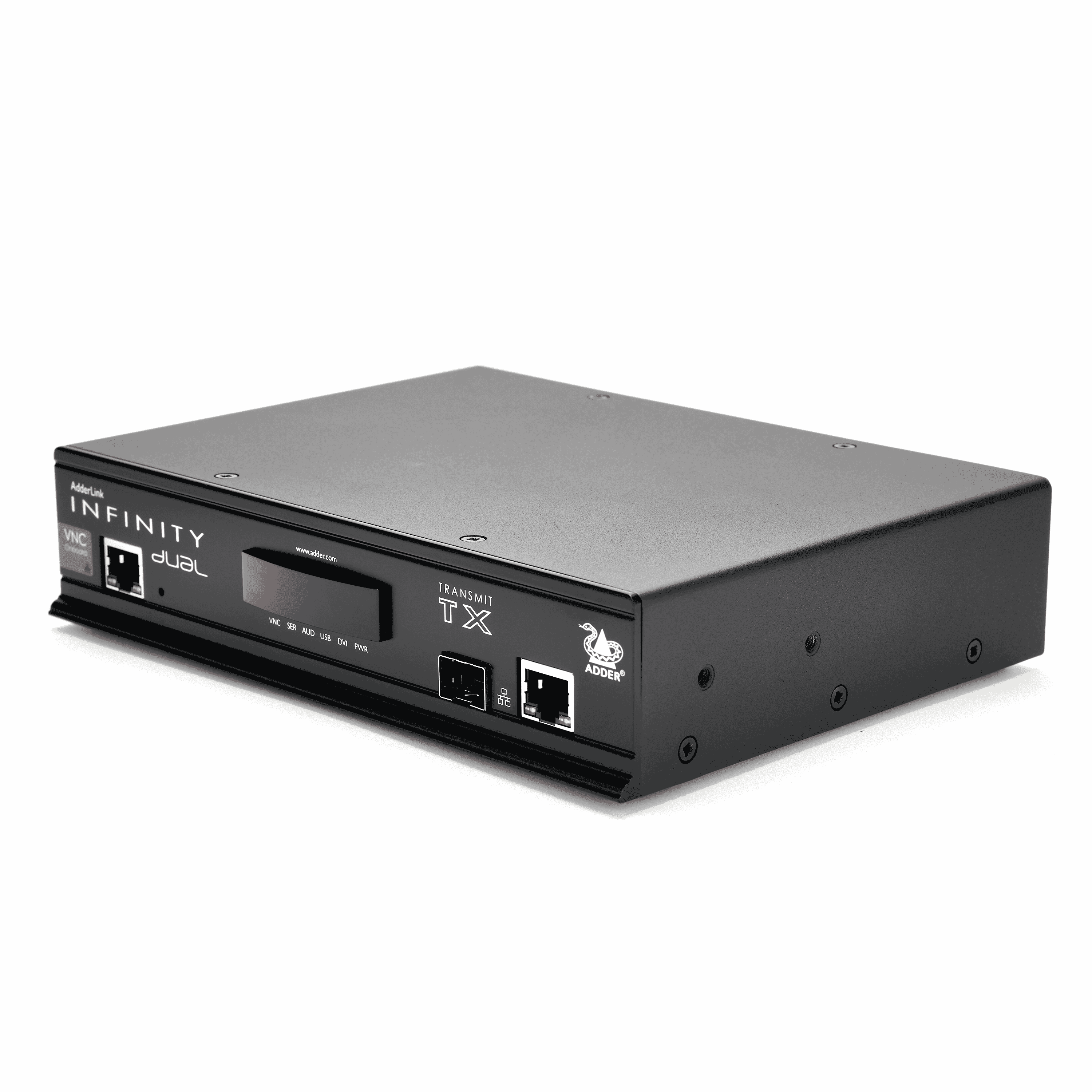
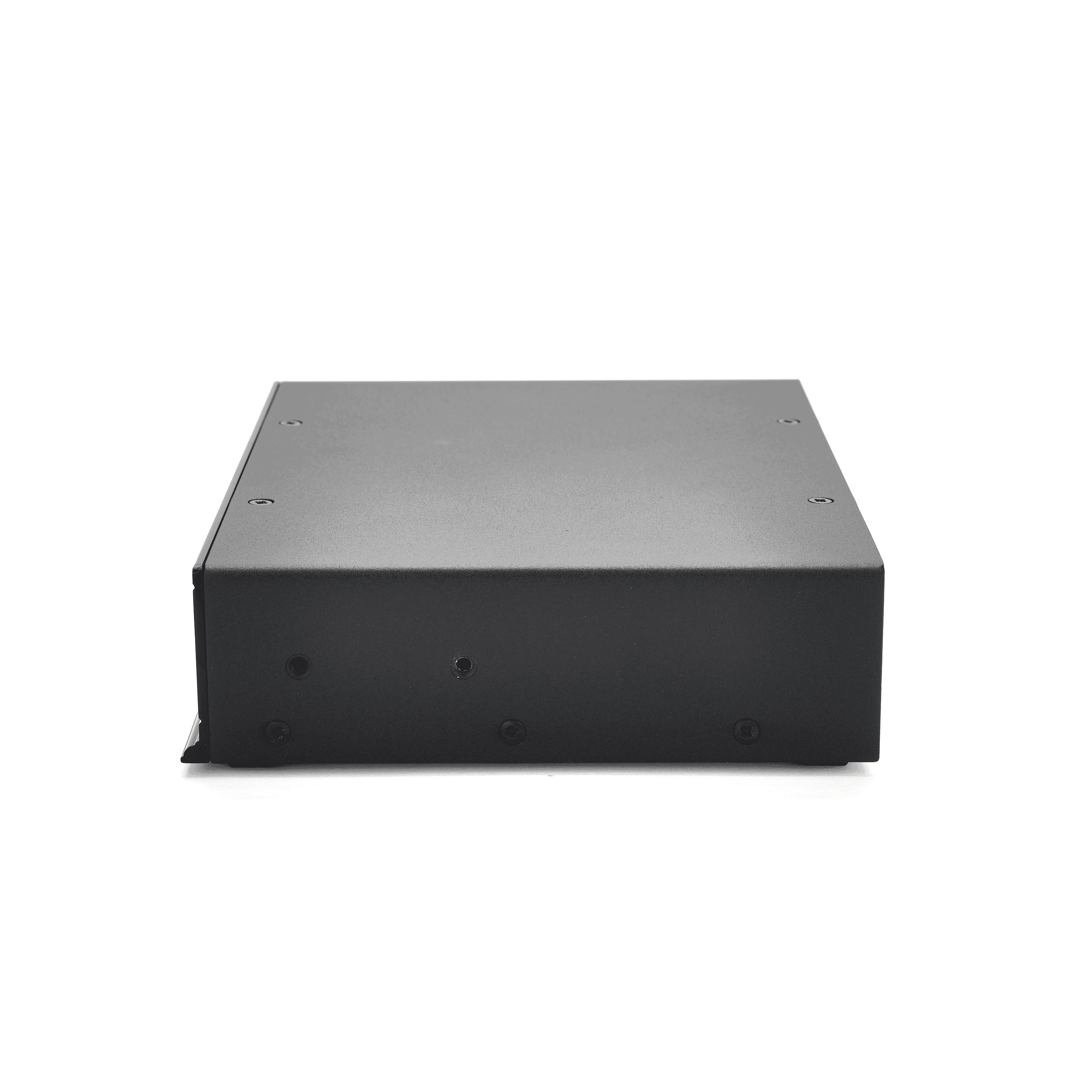
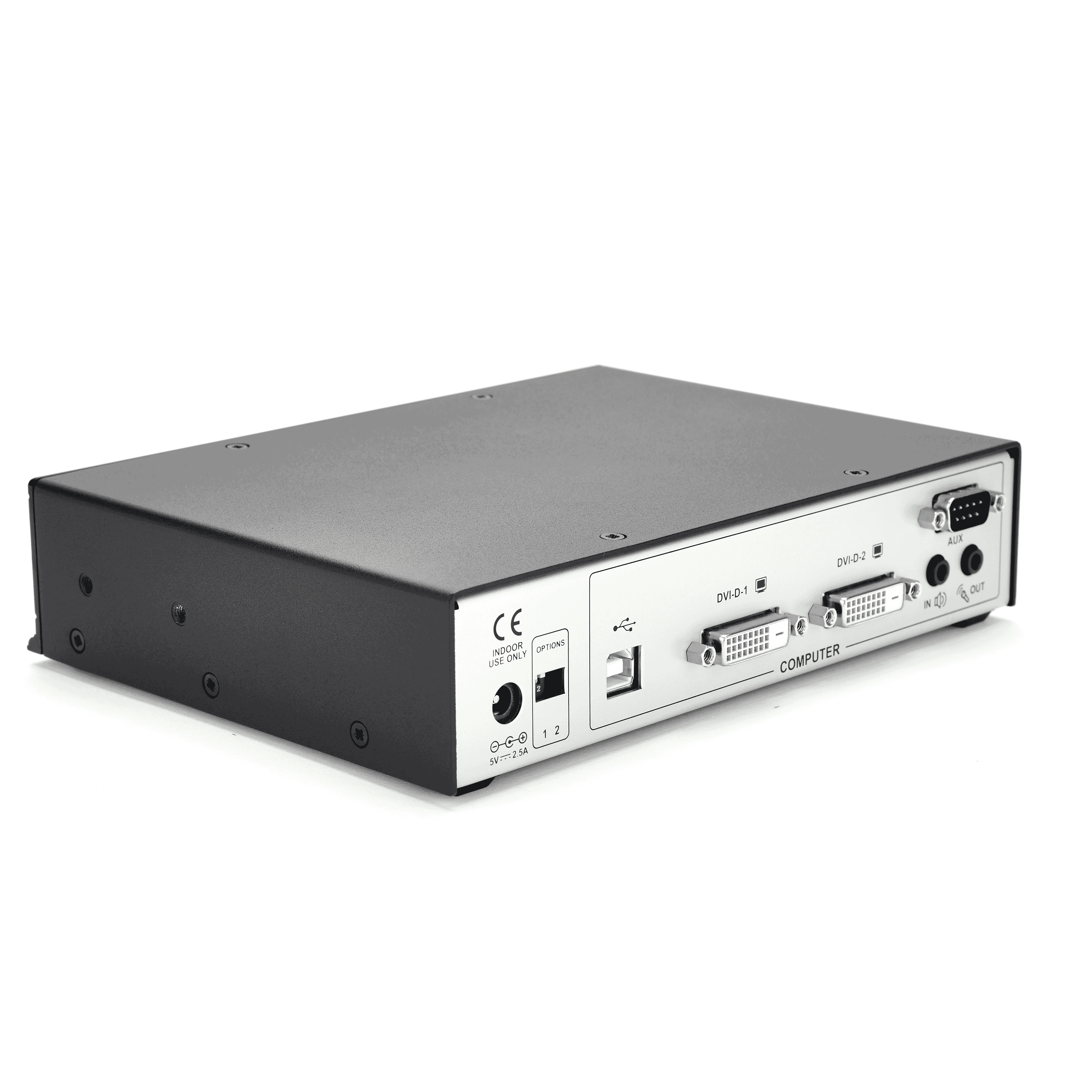
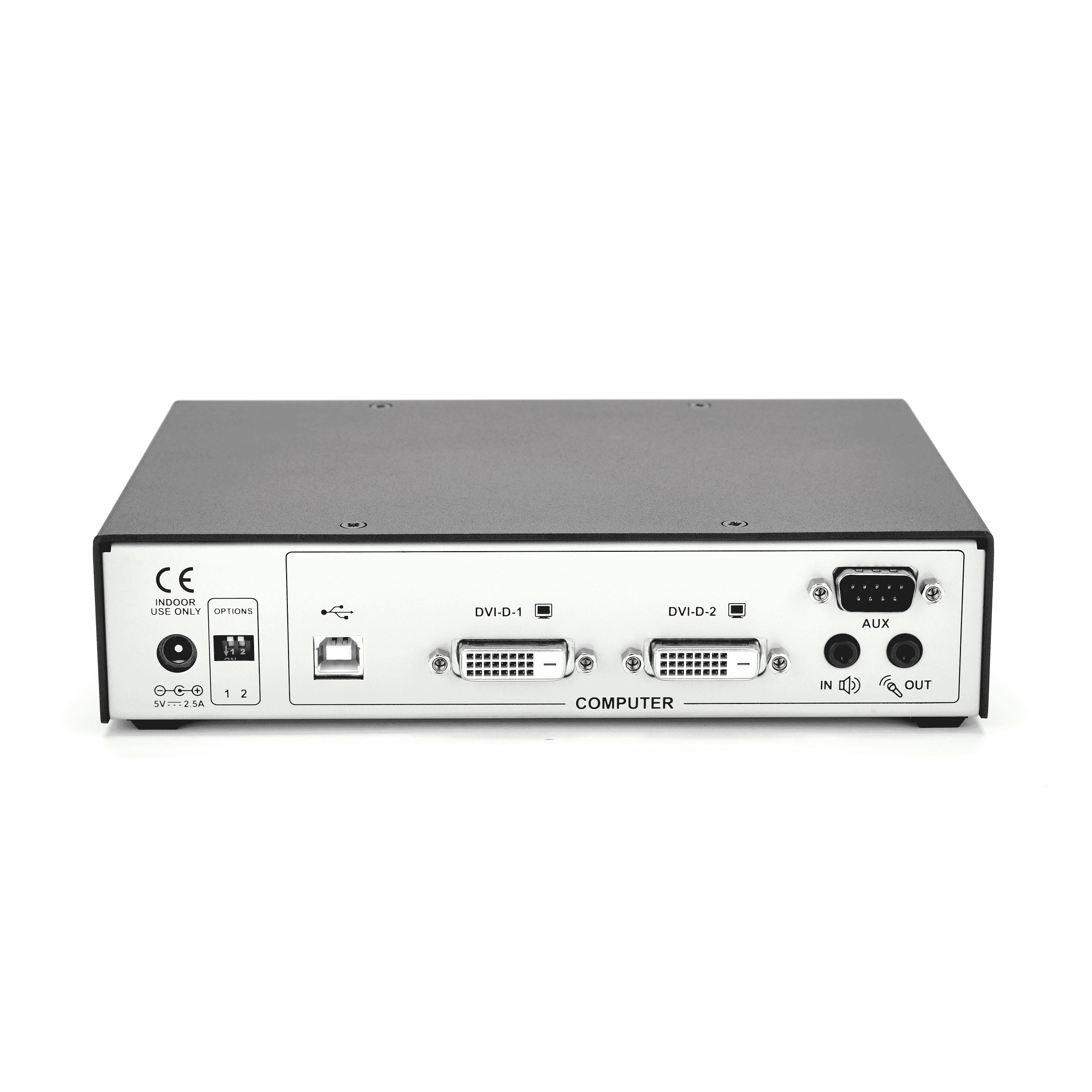
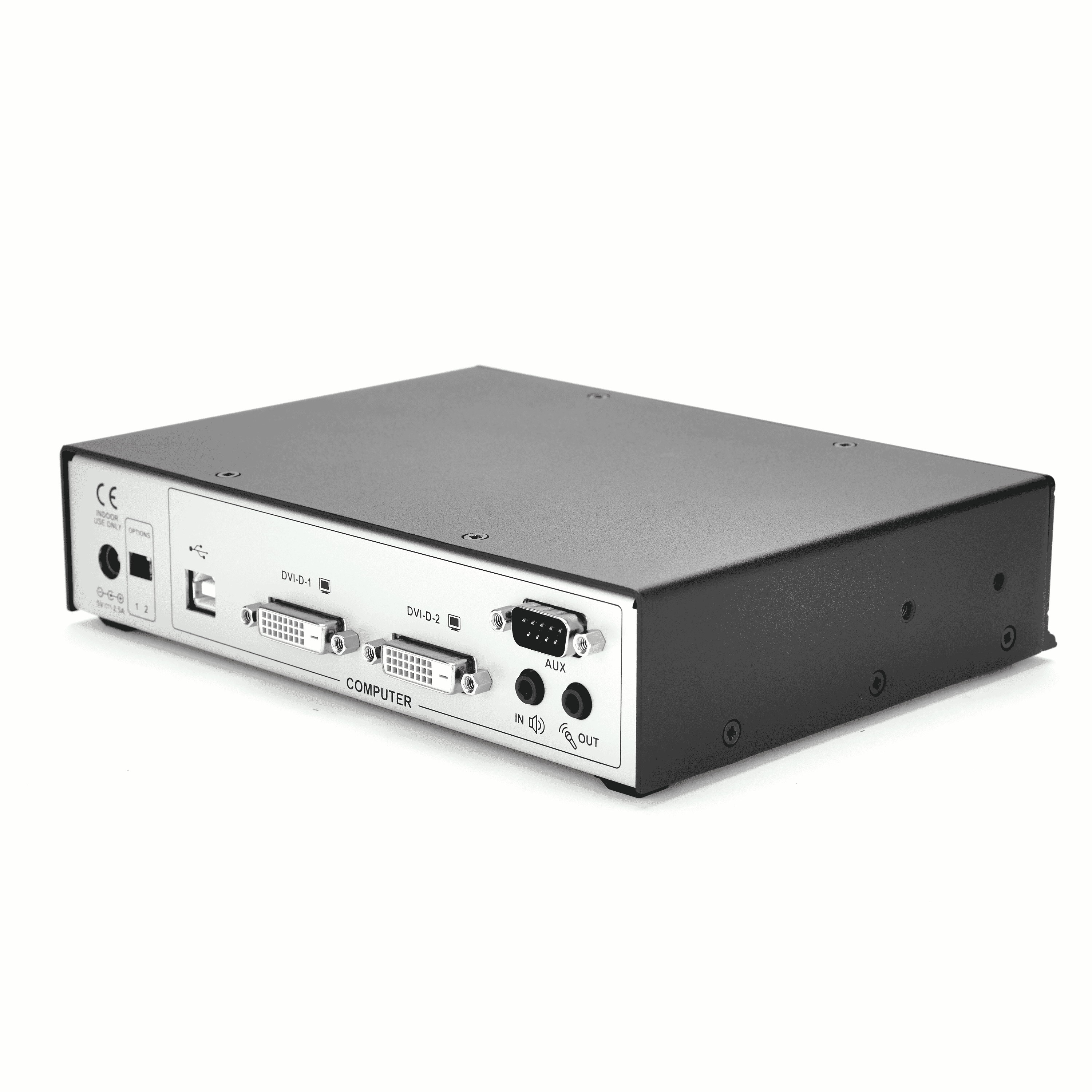
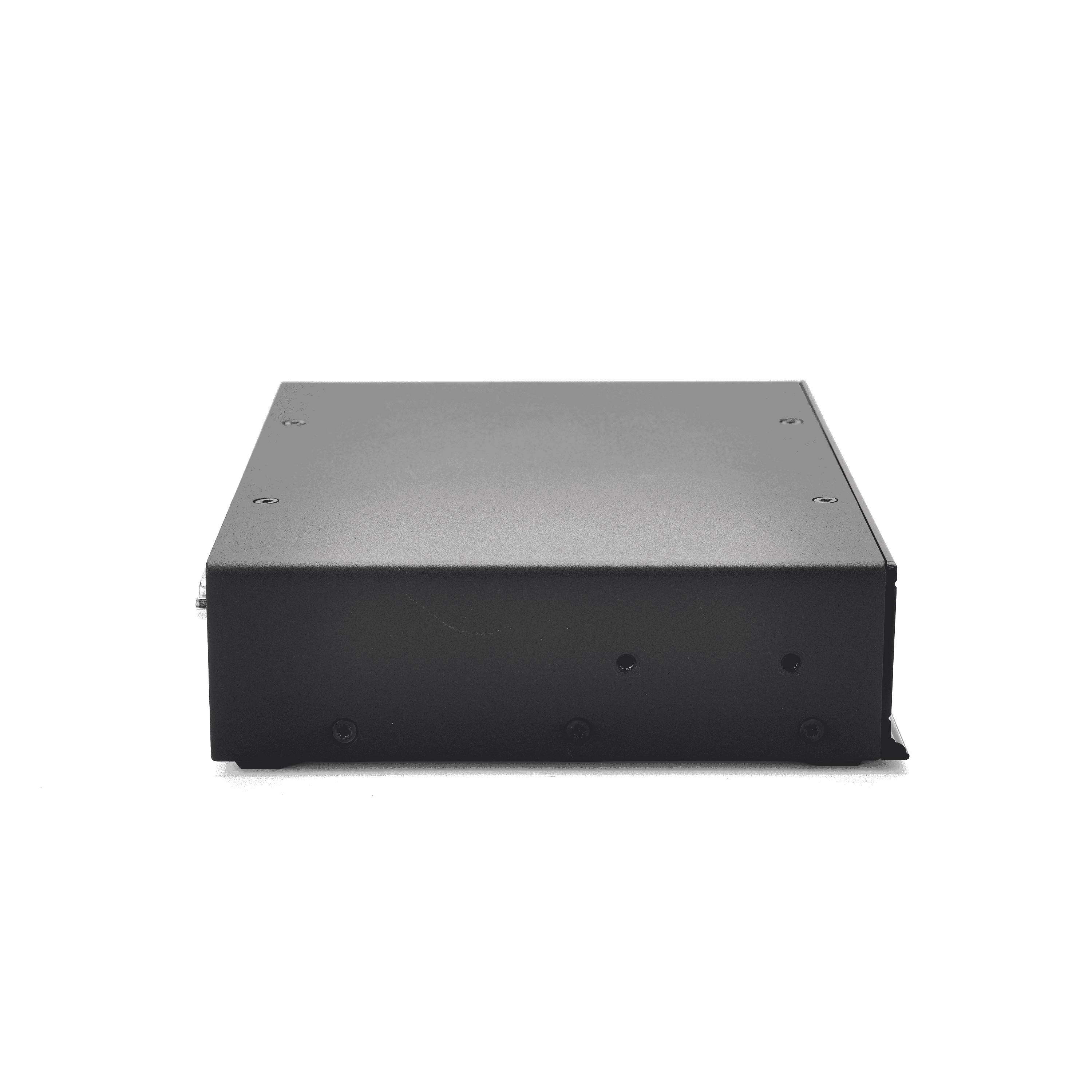
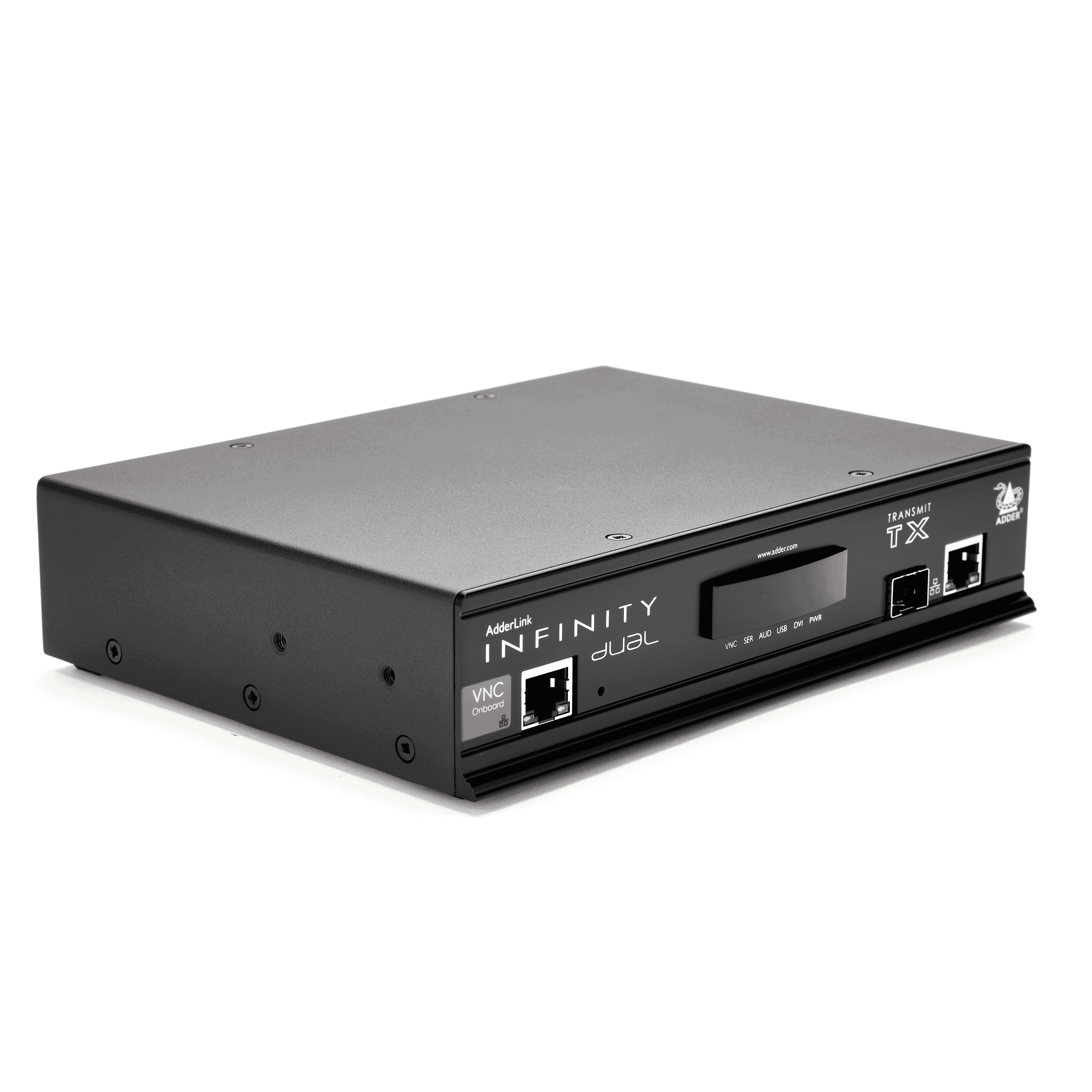

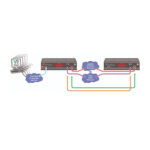
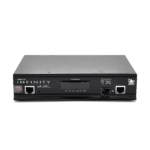
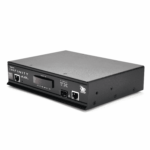
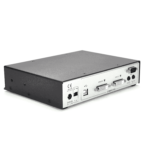
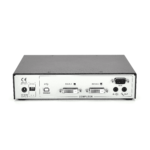
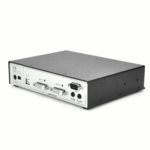
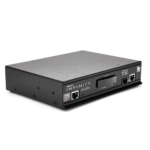

ADDERLink® INFINITY Dual 2112T – ALIF2112T – Dual-head digital video, audio, and USB2.0 over 1GbE IP network with embedded RealVNC® server.
| Brand | Adder |
|---|
Part number: ALIF2112T
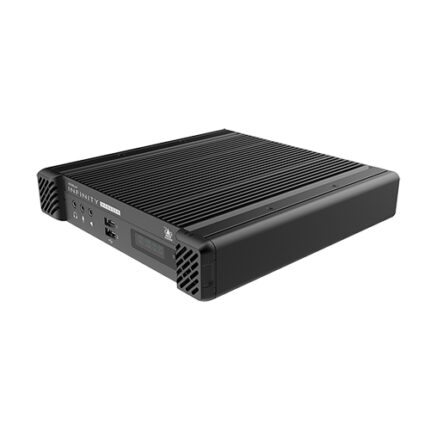
ADDERLink® INFINITY Dual 2112T – ALIF2112T – Dual-head digital video, audio, and USB2.0 over 1GbE IP network with embedded RealVNC® server.
| Video | Dual Link / Dual Head DVI-D |
| Maximum Resolution (1 Screen) | 2560 x 1600 @ 60Hz |
| Maximum Resolution (2 Screens) | 1920 x 1200 @ 60Hz |
| Network Bandwidth | 1GbE |
| Network Ports | 1x RJ45 (8p8c), 1x SFP |
| USB | USB 2.0 True Emulation |
| Audio | Analog stereo, bi-directional, 16-bit / 48kHz, 3.5mm jacks |
| Serial | RS232, max 115,200 baud |
| Security | AES 256-bit encryption, RSA 2048-bit public key authentication |
| VNC | RFB 3.3 (open source VNC), RealVNC compatible |
| Operating Temperature | 0–40°C (32–104°F) |
| Humidity | 10–90% (non-condensing) |
| Power Supply | 5V DC, typical 12W, max 20W, fanless |
| Dimensions | 198mm W × 44mm H × 150mm D |
| Weight | 1.1kg |
| MTBF | 500,000 hours (Telcordia SR332) |
| Certifications | CE, cULus (E476334), FCC, ICES, RCM, UKCA |
| OS Support | All known operating systems |
Source: Adder Technology — ADDERLink INFINITY Dual 2112T. Verify with manufacturer.
No account yet?
Create an Account