



Boosting Enterprise Uptime with Advanced Network Management Tools

Downtime costs enterprises millions every year, yet many IT teams still rely on outdated network management methods that leave gaps in uptime. Your IT infrastructure deserves tools that anticipate problems before they disrupt operations. In this post, you’ll see how eNOVA Technologies and ZPE Systems deliver advanced tools designed to keep your network running smoothly and boost enterprise uptime like never before.
Maximizing Enterprise Uptime
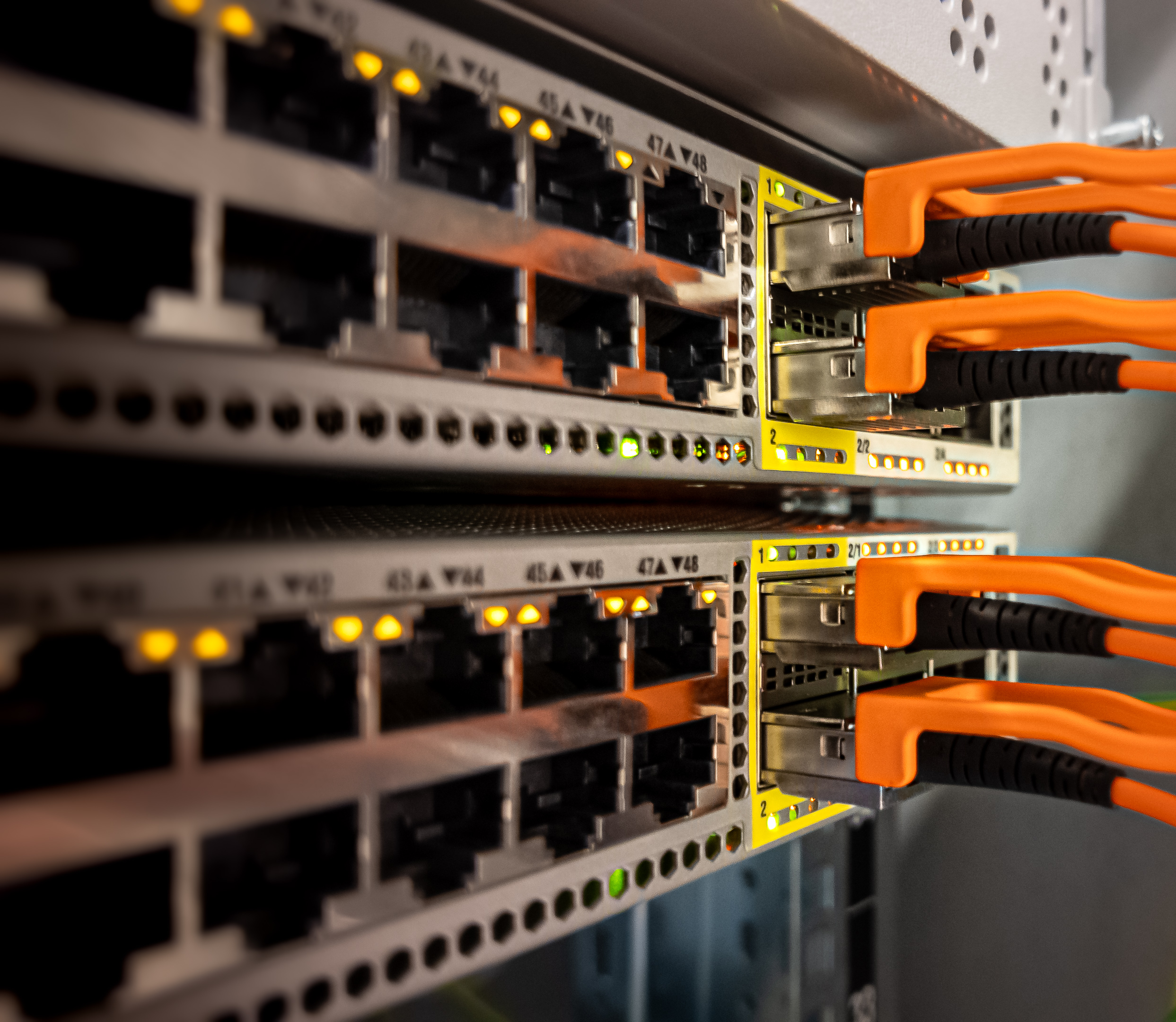
In today’s fast-paced digital world, keeping your network running is crucial. Let’s explore why managing your network efficiently is key to your success.
Importance of Network Management
Network management keeps your IT infrastructure in top shape. Without it, you’re likely to experience disruptions that can cost time and money. Effective network management reduces the risk of downtime and ensures that your operations continue smoothly. Imagine having tools that monitor your systems and catch issues before they become problems. This proactive approach is what sets successful enterprises apart. In a world where every second of downtime counts, good network management is not just important—it’s essential.
Advanced Tools for IT Infrastructure
To achieve high uptime, you need tools that do more than just monitor your network. Advanced tools analyze data in real-time to predict issues before they arise. They help detect anomalies, ensuring potential problems are addressed quickly. With these tools, you’re not just fixing problems—you’re preventing them. This means fewer interruptions and more time for your team to focus on growth. Network management tools like those offered by eNOVA Technologies and ZPE Systems equip you to stay ahead in the game.
eNOVA Technologies’ Role
eNOVA Technologies plays a pivotal role in advancing network management. They provide solutions that ensure your network remains reliable and secure. By partnering with brands like ZPE Systems, eNOVA delivers cutting-edge technologies to modern enterprises. Their strategic partnerships mean you get access to top-tier tools that optimize your operations and safeguard your data. Think of eNOVA as your ally in achieving seamless network functionality and enhanced enterprise uptime.
Enhancing Data Center Efficiency
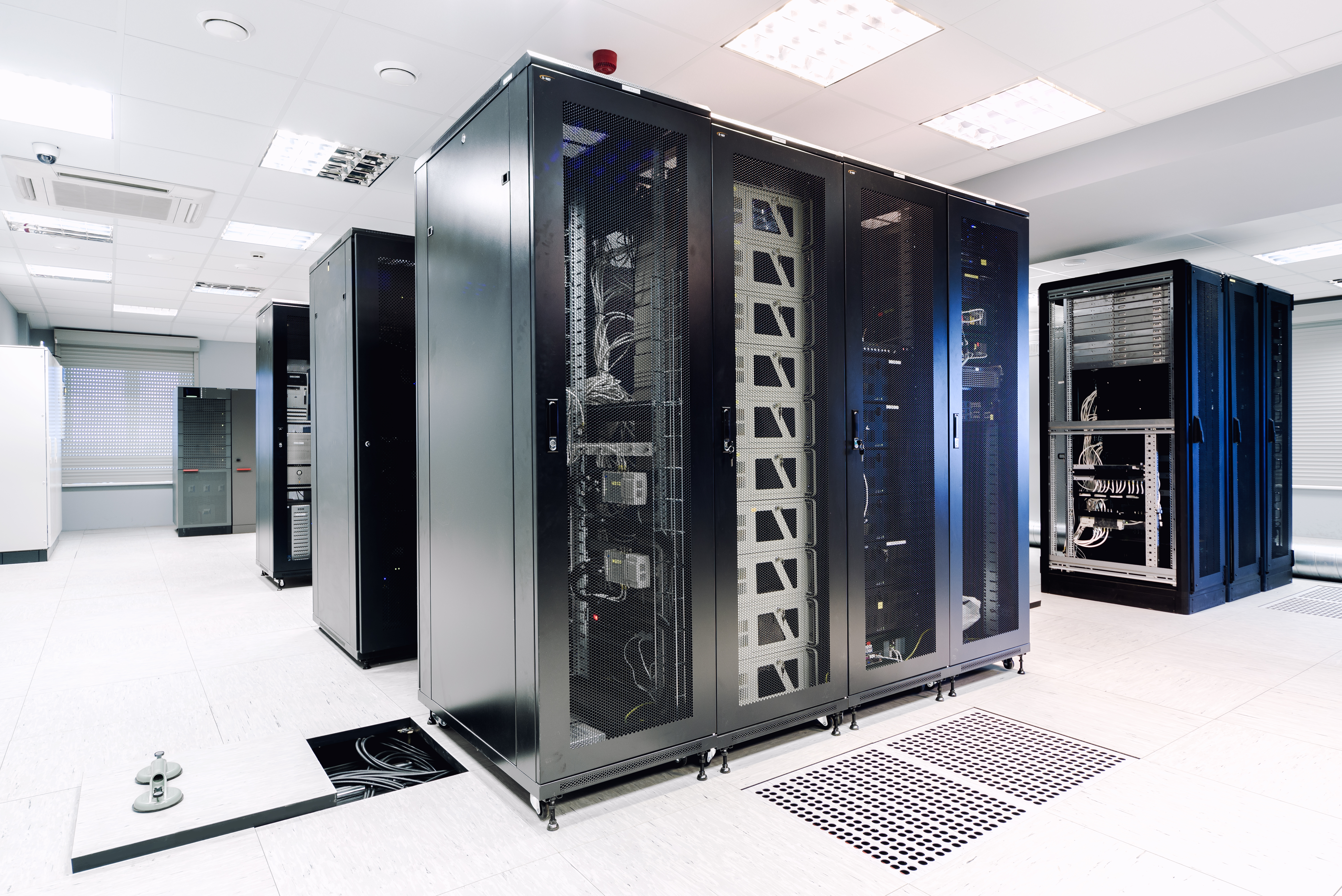
Once your network is optimized, the next step is to focus on your data center. This section dives into how automation, monitoring, and security elevate your data center operations.
Automation and Monitoring Solutions
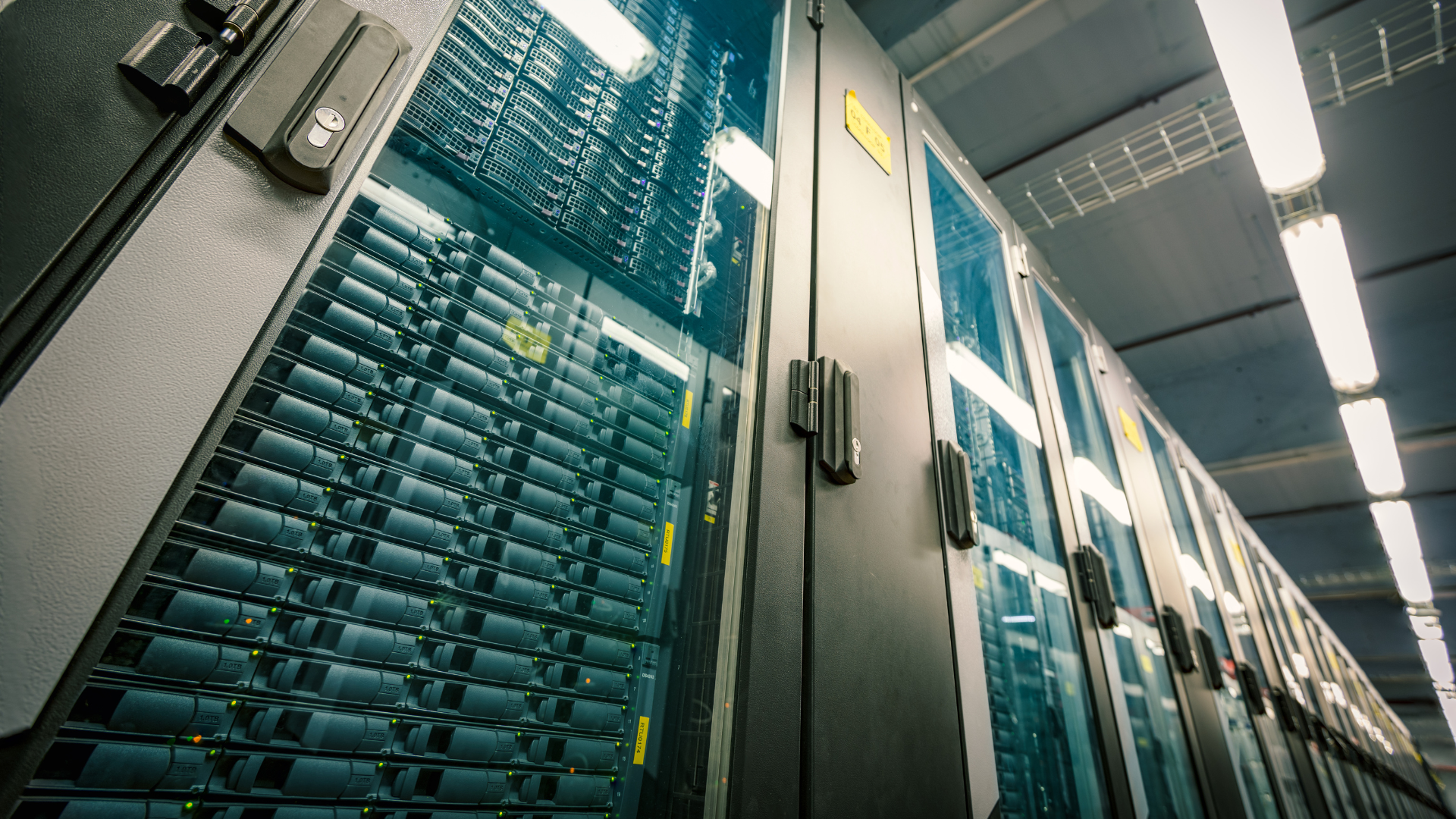
Automation and monitoring are crucial for efficient data centers. Automation reduces human error, speeding up processes and improving accuracy. Monitoring solutions provide insights into your system’s performance, helping you make informed decisions. For instance, automated systems can adjust cooling levels based on server activity, optimizing data center efficiency. These solutions save you time and resources, allowing your team to focus on strategic initiatives. By implementing these systems, your data center becomes a powerhouse of efficiency.
Cybersecurity Solutions for Secure Operations
Protecting your data is just as important as maintaining uptime. Cybersecurity solutions safeguard your operations from threats that can lead to costly breaches. With robust security measures, your data remains protected against unauthorized access and cyberattacks. Implementing these solutions ensures that your operations are not only uninterrupted but also secure. In today’s digital landscape, where threats are constantly evolving, having strong cybersecurity measures in place is non-negotiable.
Collaboration with ZPE Systems
eNOVA Technologies’ collaboration with ZPE Systems brings unparalleled advancements in network management. Together, they provide advanced tools that enhance both network and data center efficiency. This partnership allows you to access technologies that streamline operations and improve security. By working with industry leaders, eNOVA ensures you have the best solutions available to maintain high operational standards. The longer you wait, the more you risk falling behind. Embrace these innovations and keep your enterprise ahead of the curve.
Future-Proofing Your Network

Looking ahead, it’s important to prepare your network for future challenges. Here’s how you can stay ready for what’s next.
Trends in Network Management
The future of network management is dynamic, with trends that promise to reshape how we manage IT infrastructures. Artificial Intelligence (AI) is leading the charge, offering predictive analytics that foresee issues before they occur. The use of AI in network management will increase efficiency and reduce costs, creating a smarter and more responsive network environment. Staying updated with these trends keeps you informed and prepared for future developments.
Preparing for Technological Advancements
As technology evolves, so should your network strategies. Embracing new technologies like virtualization and cloud computing can offer more flexibility and scalability. These advancements help you adapt to changing business needs without overhauling your entire infrastructure. Preparing for these advancements ensures your network remains robust and responsive. By integrating these technologies, you future-proof your operations, keeping them resilient in an ever-changing environment.
Steps to Ensure Enterprise Uptime
To maintain high enterprise uptime, consistently review and update your network strategies. Regular assessments help identify potential vulnerabilities and areas for improvement. Implementing the latest network management tools and security solutions is crucial. Invest in training your team to use these tools effectively. By staying proactive, you ensure your operations remain seamless and secure. Remember, the key to success is not just keeping up but staying ahead.
In conclusion, maximizing enterprise uptime is a multi-faceted endeavor. From network management to data center efficiency and future-proofing strategies, each step plays a vital role in ensuring your business operates smoothly. By choosing eNOVA Technologies and leveraging advanced tools, you’re not just addressing current challenges—you’re preparing for the future.
Frequently Asked Questions
What is the difference between network monitoring and network management?
Network monitoring tracks the performance and status of network devices and connections in real-time, alerting teams when issues occur. Network management goes further by actively controlling, optimizing, and preventing problems across the entire IT infrastructure through automation and predictive analytics. While monitoring is reactive, management is proactive and strategic.
How much downtime costs does a typical enterprise experience annually?
Enterprise downtime costs vary by industry and organization size, but studies show businesses lose between $5,600 to $9,000 per minute of unplanned downtime. For a mid-sized enterprise, unplanned downtime can result in losses ranging from $100,000 to over $1 million annually depending on critical systems affected.
What features should I look for in advanced network management tools?
Key features include real-time monitoring dashboards, predictive anomaly detection, automated alerting systems, and integration capabilities with existing infrastructure. Look for tools that provide granular visibility into network performance, support multi-site management (critical for APAC data centre operations), and offer both cloud and on-premises deployment options.
How can network management tools help prevent downtime in data centres?
Advanced network management tools use real-time data analysis and machine learning to identify potential failures before they occur, allowing IT teams to perform preventative maintenance. They also provide automated failover capabilities and redundancy management, which are essential for maintaining the high availability standards required in modern data centres.
Are there specific network management solutions recommended for APAC data centres?
Solutions like those from eNOVA Technologies and ZPE Systems are designed to meet enterprise requirements across APAC regions, offering localized support and compliance with regional data residency requirements. When selecting tools for APAC operations, prioritize vendors with regional data centre presence, multi-language support, and understanding of local regulatory frameworks.
How do I implement a network management tool without disrupting current operations?
Most enterprise network management tools support phased deployment starting with monitoring-only mode to establish baselines before enabling active management features. Work with your vendor to create a migration plan that prioritizes critical systems first, and ensure your team receives proper training on the new platform before full rollout.
Published by
eNOVA Technologies is Singapore's specialist distributor for data centre IT management solutions, representing Adder, Guntermann & Drunck, Raritan, Sunbird, ZPE Systems, and VuWall across Singapore and Southeast Asia. Our technical content is produced with AI assistance and reviewed by our in-house team before publication.
This article was produced with AI assistance and reviewed by the eNOVA Technologies team. All technical claims are verified against manufacturer documentation.