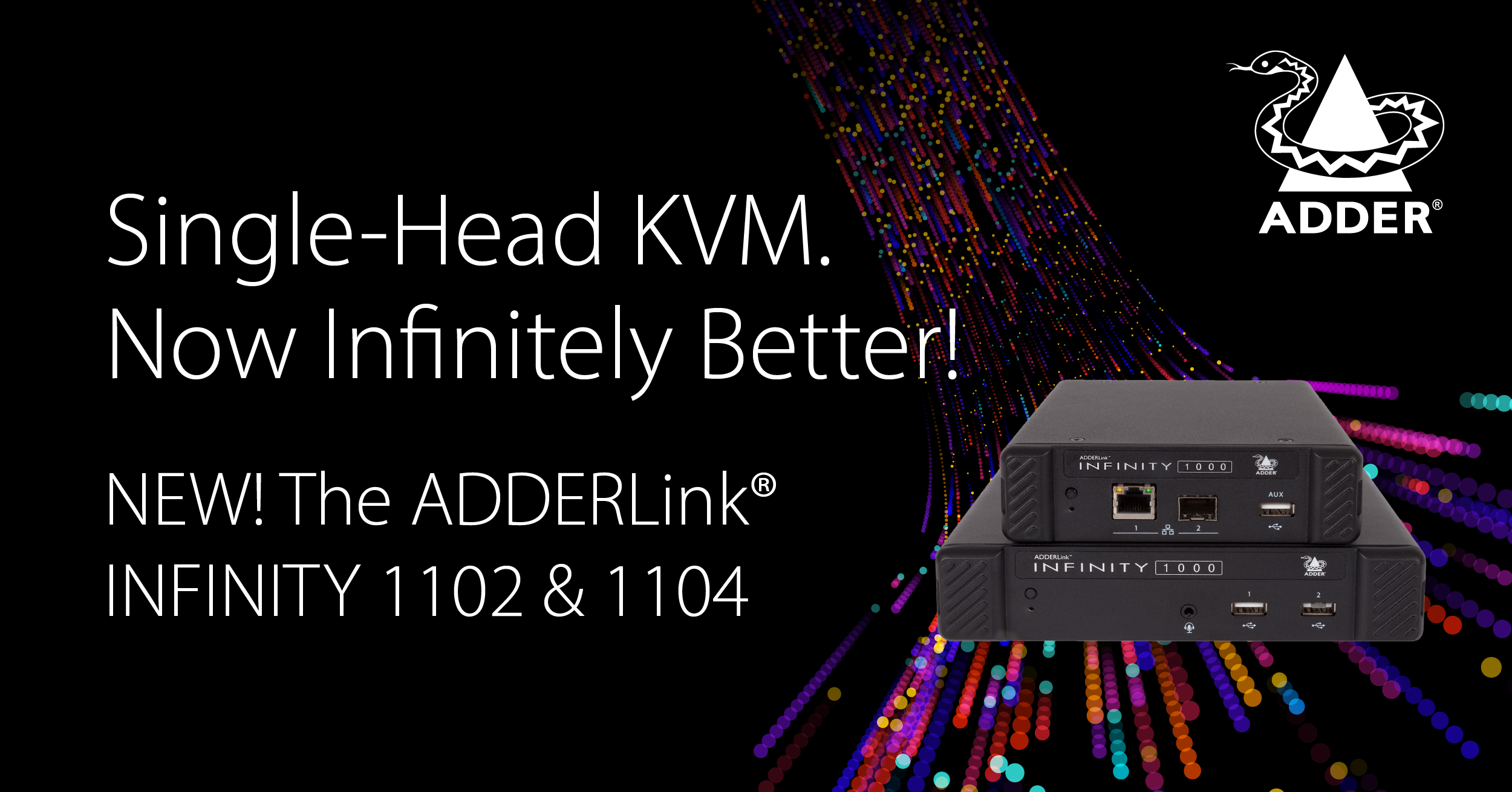



Fast Switching for Control Rooms: Enhancing Workflow with ADDER’s latest Enterprise-grade IP KVM

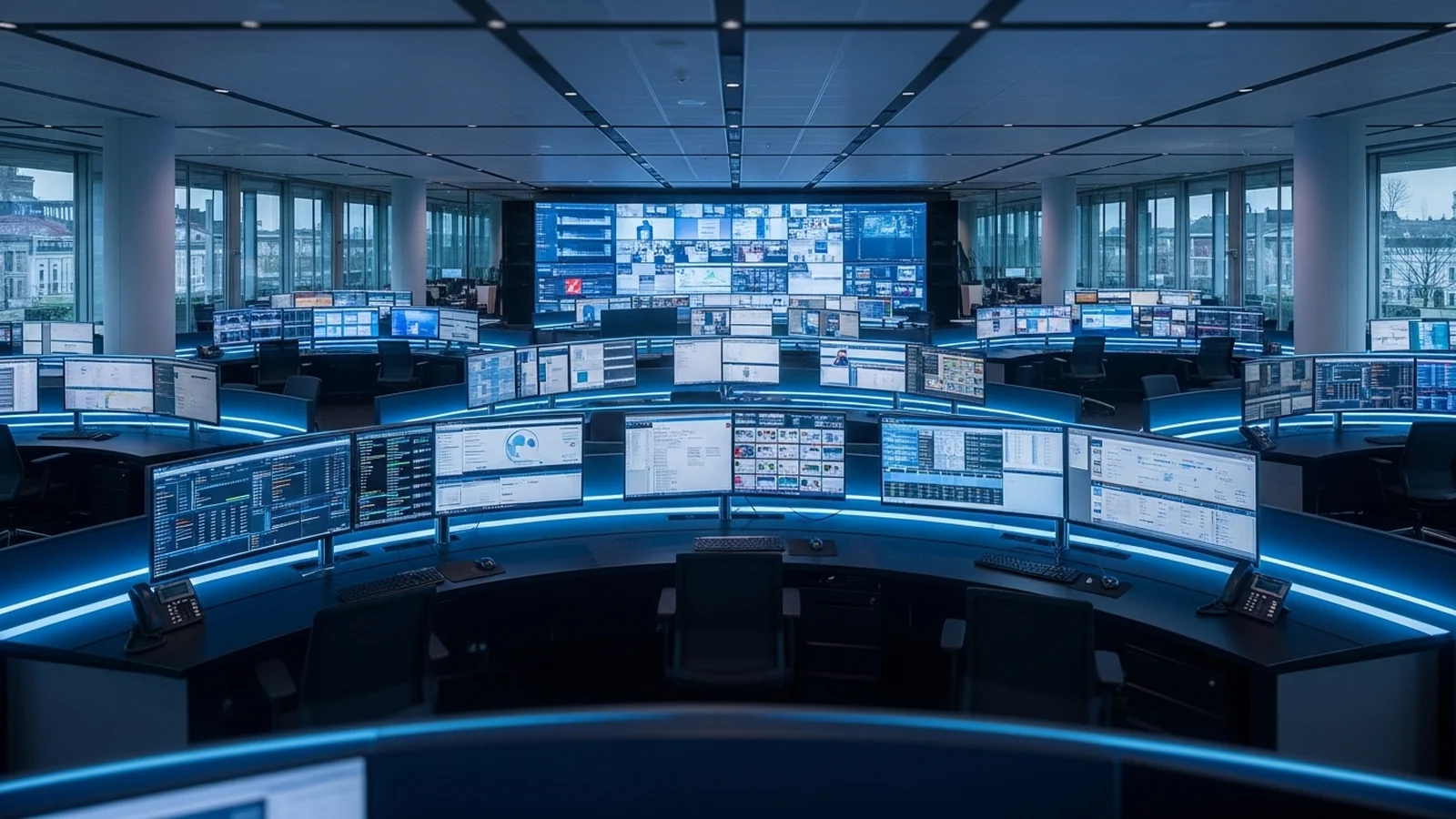
Slow switching kills control room flow. You lose precious seconds juggling sources, and every delay affects your team’s focus. ADDER’s IP KVM solutions tackle this with fast switching that keeps your operations smooth and your workflow sharp. Let’s explore how these features fit perfectly across broadcast studios, control rooms, industrial monitoring, IT management, and AV integration. Learn more here.
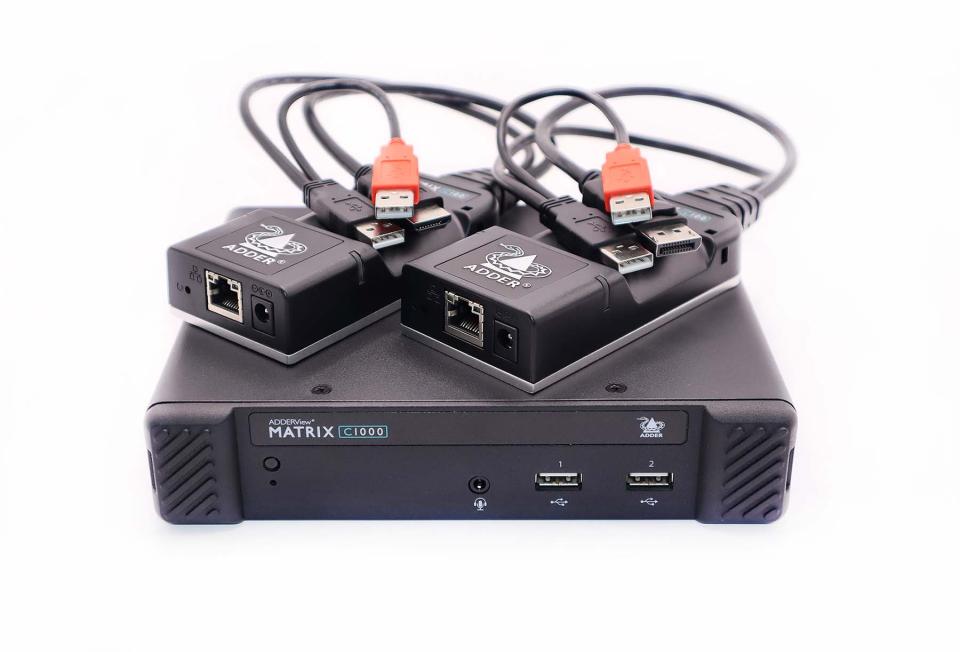
When every second counts, efficient tools make a world of difference. ADDER’s IP KVM solutions ensure you stay on top of your game by offering unparalleled speed and reliability. Let’s delve into the core features that make these solutions indispensable for modern control rooms.
Fast Switching Capabilities
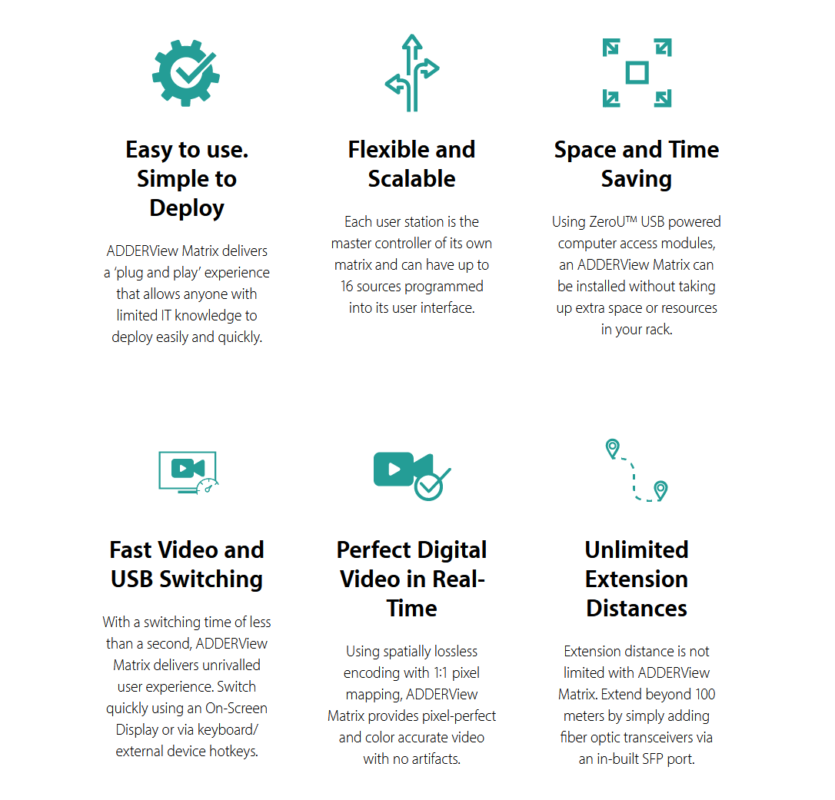
Imagine switching between sources in less than a blink. With ADDER, this isn’t just a dream. You get sub-second switching, which keeps your focus sharp and operations smooth. No more lagging or delays. This fast switching is essential in environments where every moment matters, ensuring seamless transitions without compromising on quality.
But how does this work? The technology behind ADDER’s solutions allows for quick switching by optimizing data transfer processes. This means you can manage multiple inputs without a hitch, keeping the workflow fast and efficient. Whether you’re in a broadcast studio or managing industrial operations, the reliability of fast switching supports uninterrupted performance.
Here’s a quick insight: most operators believe that faster switching leads to errors. With ADDER, this isn’t the case. You’ll find the technology not only speeds up operations but reduces errors, thanks to its precise engineering. The longer you wait to upgrade, the more productivity you might lose.
Space-Saving Solutions
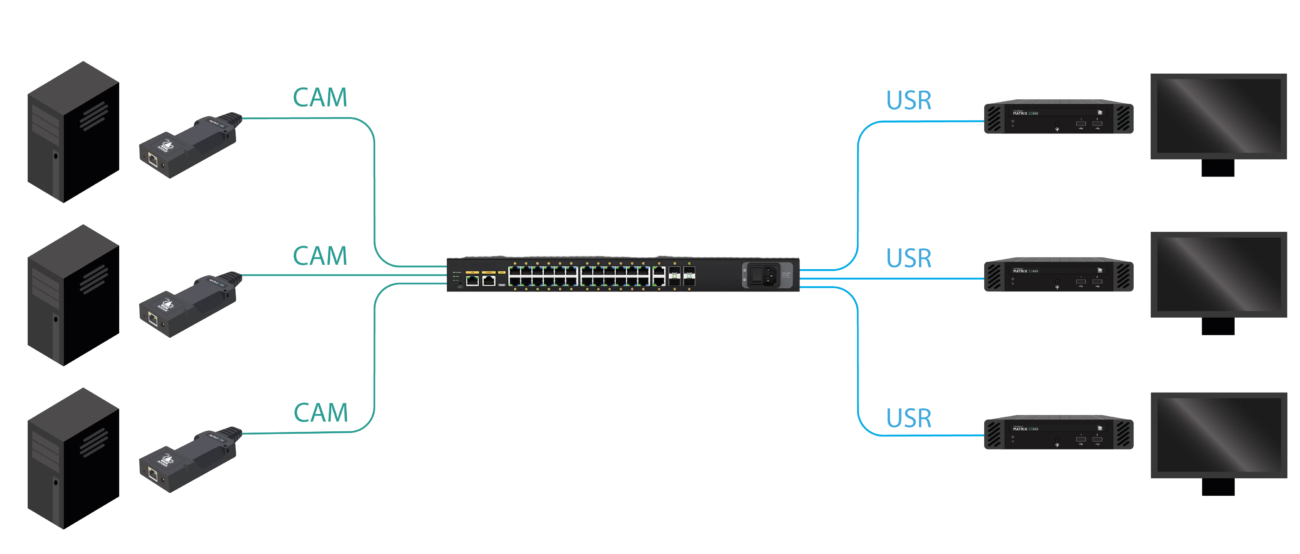
Space is a premium in control rooms, but ADDER’s ZeroU™ USB-powered modules help you reclaim it. These modules save critical rack space, which is a game-changer for compact environments. You can now fit more equipment without the clutter, leading to a more organized and efficient workspace.
The advantages of space-saving are clear. Less space used means more room for additional critical equipment, resulting in a streamlined operation. With ADDER’s solutions, you can achieve optimal use of your control room, regardless of its size. Most assume adding more equipment means more space, but with ADDER, you get the opposite: more functionality with less footprint.
Imagine the ease of movement without navigating around bulky setups. This is what ADDER offers—a tidy, efficient workspace that enhances productivity and focus.
Plug-and-Play Technology
Setting up complex systems can be daunting. ADDER simplifies this with their plug-and-play technology. You can have your systems up and running without needing extensive technical know-how. This ease of use means you spend less time setting up and more time focusing on what truly matters—your operations.
The simplicity of plug-and-play ensures quick deployment. You avoid lengthy setups and reduce downtime. This is perfect for IT managers and AV integrators who need reliable solutions without the hassle of complicated installations. Most people think setting up new tech means calling in specialists. With ADDER, you can do it yourself easily and confidently.
In today’s fast-paced environments, the ability to quickly adapt and deploy technology can set you apart from the competition. ADDER’s solutions are designed with this flexibility in mind, ensuring you stay ahead of the curve.
In conclusion, whether it’s through fast switching, space-saving modules, or simple plug-and-play setups, ADDER provides the tools that keep your control room efficient and effective. Stay on the cutting edge with solutions designed for the demands of modern operations.
Frequently Asked Questions
What is the difference between IP KVM and traditional KVM switches?
IP KVM switches allow you to control multiple servers and devices over a network from remote locations, while traditional KVM switches require physical cables and local proximity. IP KVM solutions provide greater flexibility for distributed control rooms and enable operators to manage infrastructure across different sites, making them essential for modern data centres and broadcast facilities.
How fast is sub-second switching and why does it matter in control rooms?
Sub-second switching means transitioning between sources in less than one second, typically 100-500 milliseconds depending on the system. In critical environments like broadcast studios or industrial monitoring, this speed prevents operational gaps, reduces human error, and maintains workflow continuity when operators need to rapidly respond to multiple feeds or alerts.
Can IP KVM solutions work in Singapore data centres with limited rack space?
Yes, solutions like ADDER’s ZeroU USB-powered modules are specifically designed for space-constrained environments common in Singapore’s compact data centre facilities. These modules eliminate the need for separate power supplies and can fit into existing infrastructure without requiring additional rack units, making them ideal for high-density deployments in APAC regions.
What industries benefit most from enterprise-grade IP KVM switching?
Broadcast and media production, financial trading floors, industrial process control, IT management and server monitoring, and AV integration environments all rely heavily on IP KVM for critical operations. These sectors require reliable, fast switching to minimize downtime and maintain operational continuity in mission-critical scenarios.
Do fast IP KVM switches increase error rates or compromise reliability?
Modern enterprise-grade IP KVM systems like ADDER are engineered to maintain high reliability while delivering fast switching speeds; the precise engineering actually reduces operator errors caused by manual delays and confusion. Faster transitions mean operators spend less time juggling sources and more time focused on critical tasks, leading to fewer mistakes.
How do IP KVM solutions integrate with existing data centre infrastructure?
Enterprise IP KVM switches typically connect via standard Ethernet networks and work with existing servers, monitors, and peripherals through compatible interfaces like USB and HDMI. They can be integrated into current control room setups without requiring extensive rewiring, and many solutions support legacy equipment alongside modern devices for phased deployments.
Published by
eNOVA Technologies is Singapore's specialist distributor for data centre IT management solutions, representing Adder, Guntermann & Drunck, Raritan, Sunbird, ZPE Systems, and VuWall across Singapore and Southeast Asia. Our technical content is produced with AI assistance and reviewed by our in-house team before publication.
This article was produced with AI assistance and reviewed by the eNOVA Technologies team. All technical claims are verified against manufacturer documentation.