



The Significance of Power Distribution Units (PDU) in Data Center Management

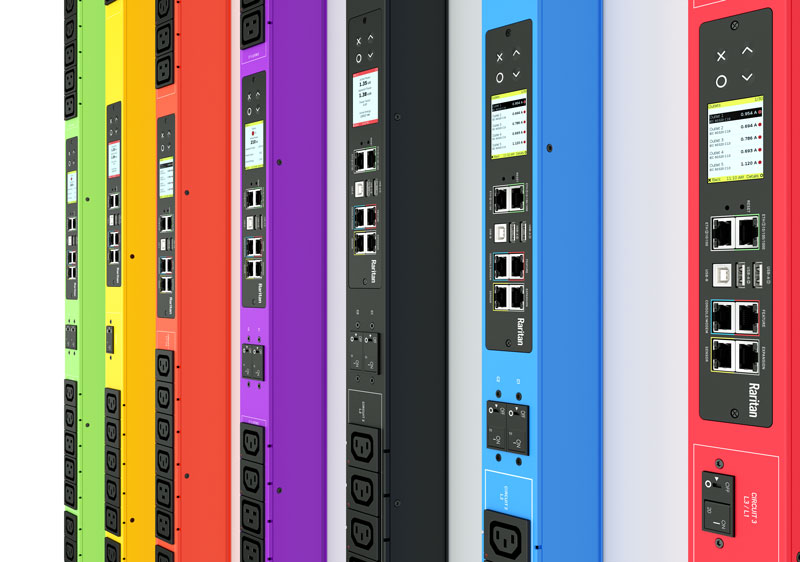
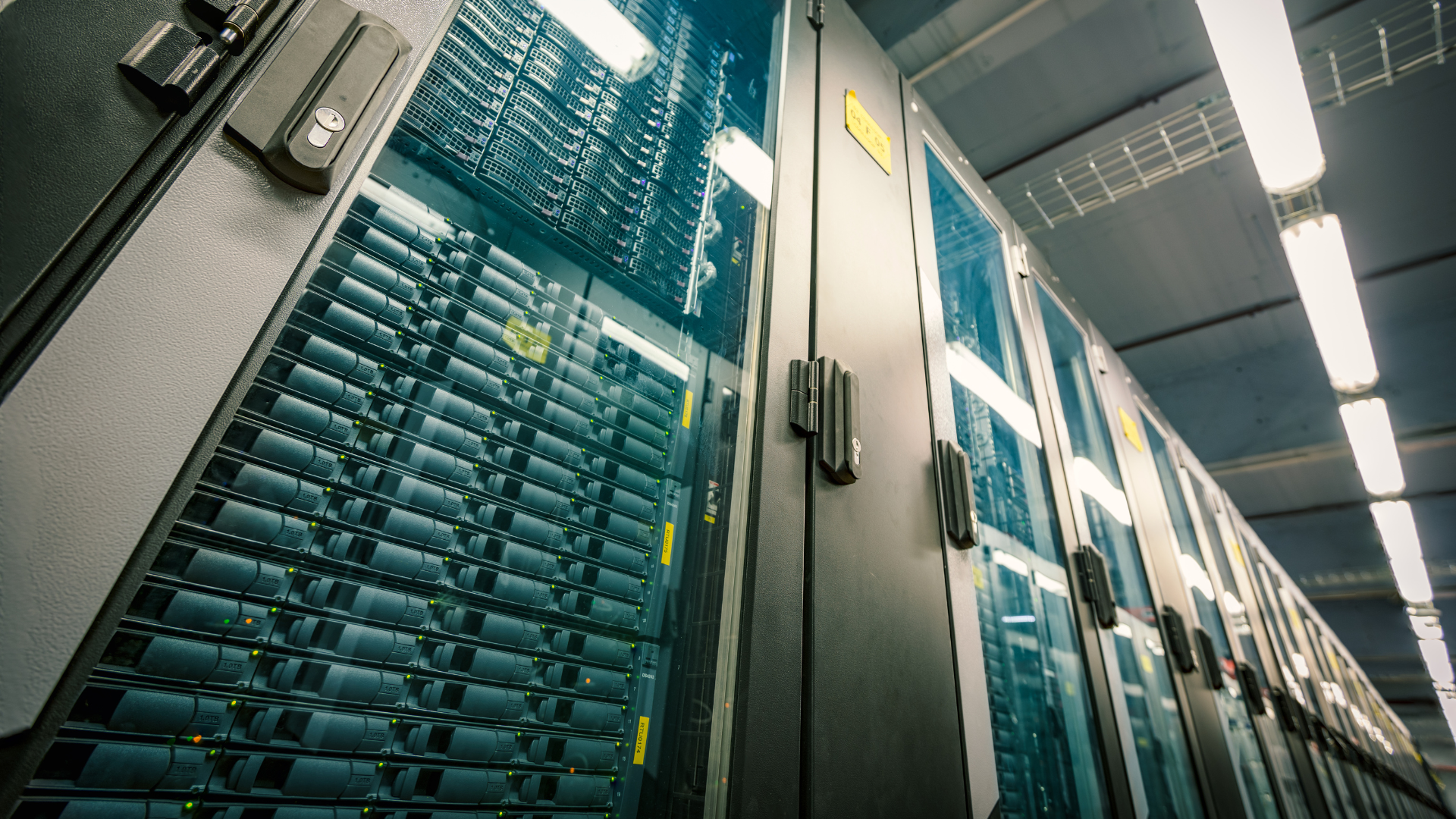
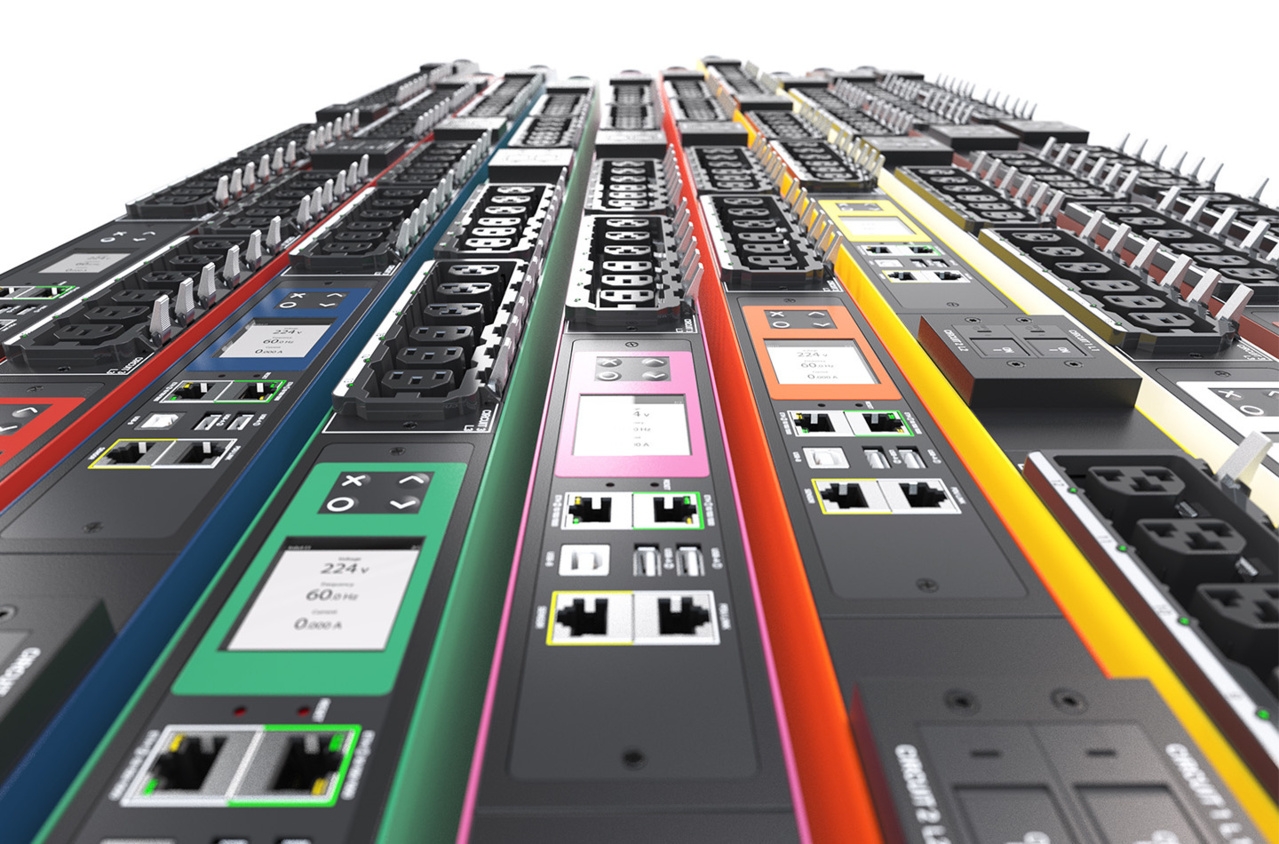
In today’s fast-paced world, data centers are the backbone of modern businesses. They’re the nerve centers responsible for storing and handling the crucial data that keeps organizations running smoothly. Among the vital components within these data centers is the power distribution unit (PDU). Think of it as the beating heart, ensuring a steady flow of electricity to all the critical devices within the center.
Let’s dive into why PDUs are so crucial in managing data centers.
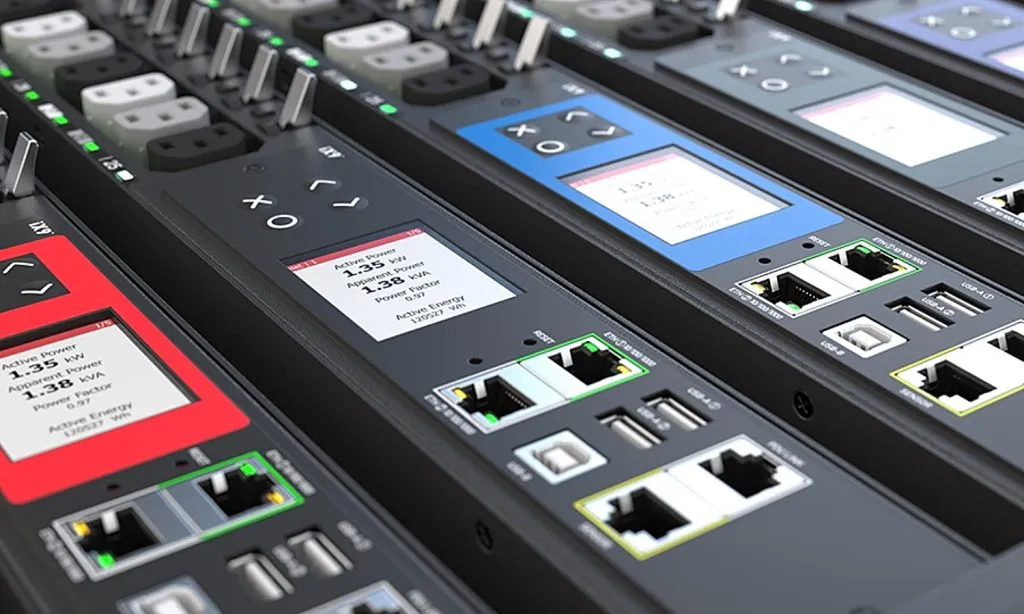
Centralized power management is a game-changer. Picture this: a single control hub overseeing the power needs of countless devices, from networking equipment to server racks. With a PDU in place, data center managers can effortlessly monitor and regulate power consumption from one centralized spot.
When it comes to uptime, PDUs are heroes. Downtime in a data center can wreak havoc on businesses, leading to revenue loss and a tarnished reputation. PDUs mitigate this risk by guaranteeing a reliable power supply to all devices, ensuring uninterrupted operations.
Energy efficiency gets a boost too. PDUs keep a keen eye on power usage, identifying and addressing energy wastage to trim down consumption, thereby promoting sustainability.
Load balancing is another ace up the PDU’s sleeve. By evenly distributing power across racks and cabinets, it prevents any one device from overloading circuits, thus averting potential disasters.
Remote monitoring and control capabilities are a modern-day marvel. Imagine managing power distribution from afar, a boon for overseeing large or dispersed data centers.
Scalability is key as data centers expand. PDUs effortlessly grow with the demand, eliminating the need for major infrastructure overhauls.
Safety is paramount, and PDUs play a crucial role here too. By monitoring and controlling power, they prevent hazards like electrical fires, ensuring a secure environment.
Compliance is a breeze with PDUs. They help data centers adhere to regulations by ensuring reliable and secure power distribution systems.
Enhanced Security is achieved through an Intelligent Power Distribution Unit (IPDU), which offers remote monitoring and control capabilities, ensuring vigilant oversight and rapid response to potential threats.
As data center operations continue to expand, the PDU’s importance only grows. It’s the linchpin of effective data center management, offering centralized control, enhanced uptime, load balancing, energy efficiency, remote monitoring, scalability, safety, and compliance.
Investing in reliable PDUs is non-negotiable for businesses looking to keep their data centers running smoothly and meeting the demands of today’s digital landscape. With PDUs at the helm, organizations can rest assured their data centers operate reliably and efficiently, powering their success in the modern world.
Click HERE for product
Frequently Asked Questions
What is the difference between a PDU and a power strip?
A PDU is an enterprise-grade device designed for data centers that offers centralized power management, remote monitoring, and load balancing across multiple outlets, while a power strip is a basic consumer product with limited functionality. PDUs typically include metering capabilities, intelligent monitoring software, and failover protection, whereas power strips simply distribute power without any intelligence or control features.
How do I calculate the correct PDU capacity for my data center rack?
Calculate by adding the maximum power consumption of all devices in the rack (check equipment nameplates for wattage), then multiply by 1.2-1.3 to account for future growth and avoid overloading. For example, if your servers and networking gear total 8kW, a 10-12kW PDU provides adequate headroom. Always consult your facilities team and refer to your data center’s total available power budget per rack.
What monitoring capabilities should I look for in a PDU?
Key features include per-outlet power metering, real-time voltage and current monitoring, temperature sensors, and remote on/off capabilities accessible via web interface or API. Advanced PDUs also offer alerts for overload conditions, power anomalies, and integration with DCIM (Data Center Infrastructure Management) software for automated reporting and capacity planning.
Are intelligent PDUs necessary for small data centers in Singapore?
Even small data centers benefit from intelligent PDUs due to Singapore’s strict building codes and energy efficiency requirements, plus the cost of downtime in a dense business environment. Basic intelligent PDUs provide outlet-level control and monitoring that help comply with local regulations and prevent costly power failures, making them a worthwhile investment regardless of size.
How does a PDU prevent electrical overload and circuit failures?
PDUs distribute incoming power across multiple circuits and outlets, then continuously monitor load on each circuit to prevent any single outlet from exceeding capacity limits. When a circuit approaches maximum load, the PDU can either alert operators or automatically redistribute power, and most models include circuit breakers that trip before dangerous overcurrent conditions occur.
Can PDUs help reduce my data center’s power consumption and cooling costs?
Yes—PDUs provide detailed per-outlet power consumption data that identifies idle or inefficient equipment, allowing you to right-size servers and eliminate vampire loads. By optimizing equipment placement and power distribution, many data centers reduce cooling demand by 10-15% since they’re no longer powering underutilized devices, directly lowering operational expenses.

Published by
eNOVA Technologies is Singapore's specialist distributor for data centre IT management solutions, representing Adder, Guntermann & Drunck, Raritan, Sunbird, ZPE Systems, and VuWall across Singapore and Southeast Asia. Our technical content is produced with AI assistance and reviewed by our in-house team before publication.
This article was produced with AI assistance and reviewed by the eNOVA Technologies team. All technical claims are verified against manufacturer documentation.