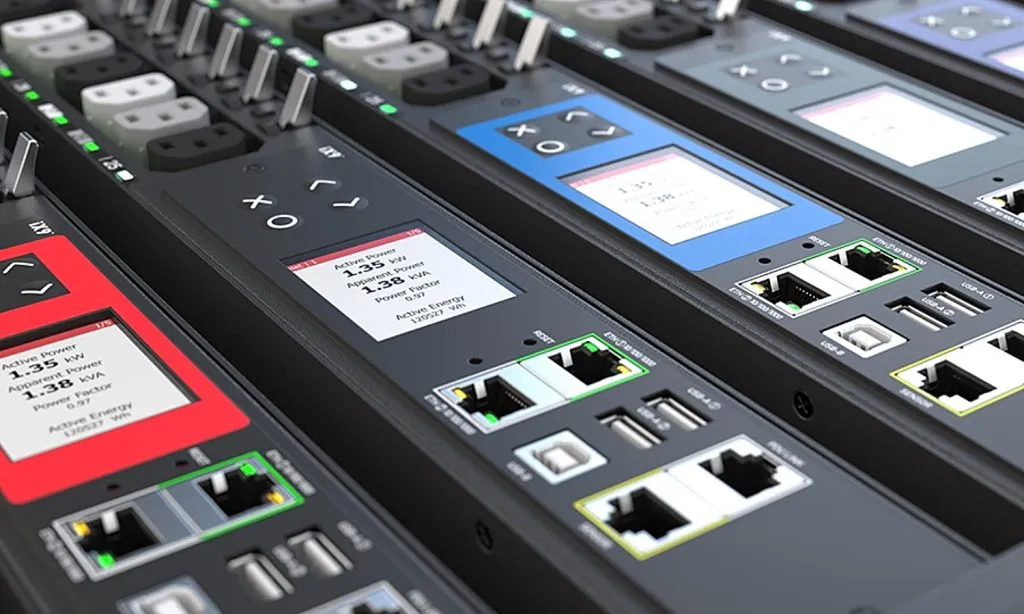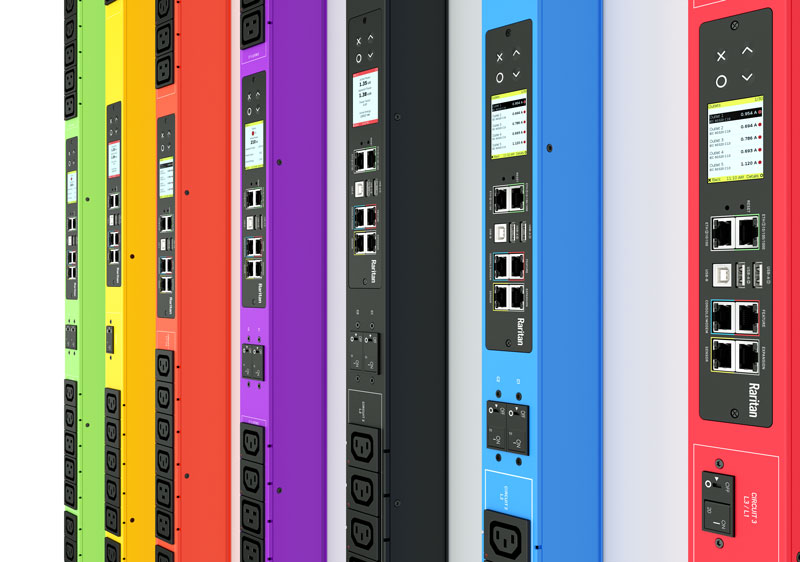




The Importance of Color-Coded PDUs in Data Centers

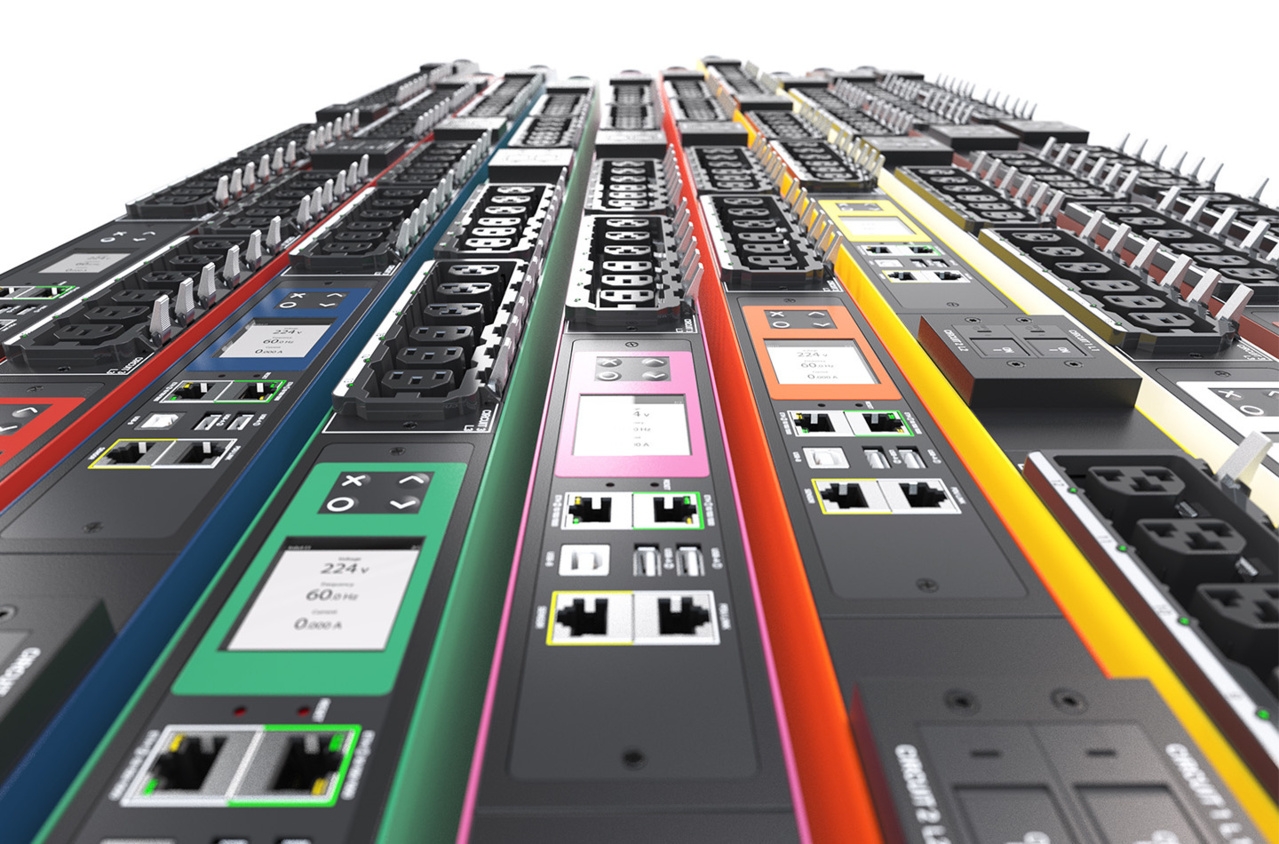
In the complex network of data centers and IT environments, managing power distribution efficiently and safely is critical. One effective strategy to achieve this is through the use of color-coded Power Distribution Units (PDUs). This post explores why color coding your PDUs is not just a matter of organization but a crucial element in enhancing operational efficiency and safety.
Why Color-Coded PDUs Matter:
- Reducing Errors: Color-coded PDUs and cables simplify the identification process, significantly reducing the chance of disconnecting or mismanaging connections. This can be crucial in preventing costly downtimes and operational blunders.
- Simplifying Management: With numerous devices and cables in a data center, color coding makes it easier to manage complex setups. This system allows staff to quickly identify and sort connections, streamlining routine maintenance and checks.
- Enhancing Safety: Different colors can signify different power phases and circuits, helping to prevent mishaps by ensuring devices are connected to the correct power sources. This not only protects equipment but also enhances the safety of personnel working in data centers.
- Improving Troubleshooting and Maintenance: When issues arise, identifying the correct PDU and connected equipment swiftly is vital. Color coding aids this process, enabling faster troubleshooting and reducing system downtime.
- Ensuring Redundancy: In environments where power redundancy is crucial, such as in data centers, color-coded PDUs can help maintain balance across multiple power sources. This practice helps in managing load and preventing power overloads.
- Meeting Compliance Standards: Certain industries have regulations requiring specific color coding for safety and compliance. Adhering to these standards not only helps in maintaining operational legality but also ensures best practices in power management.
Conclusion: Color-coded PDUs are more than just an organizational tool; they are a fundamental aspect of modern data center management. Implementing a color-coded system in your data center can lead to significant improvements in efficiency, safety, and compliance. As data centers continue to evolve and expand, the clarity provided by color coding will only become more essential.
Explore Our Range: Ready to enhance your data center’s efficiency and safety? Check out our extensive range of color-coded PDUs. Visit our product page to find the perfect PDU solutions that meet your needs. Dive into a world of smart power management with us today!
Frequently Asked Questions
What are color-coded PDUs and why do data centers use them?
Color-coded PDUs are Power Distribution Units with cables and connectors marked in different colors to identify power phases, circuits, and destinations within a data center. Data centers use them to reduce connection errors, simplify equipment management, and prevent costly downtime caused by misconnections or power overloads. This practice is especially important in mission-critical environments where power reliability directly impacts business continuity.
What color coding standard should we follow for PDUs in our data center?
Common standards include IEC 60445 (used internationally), which specifies brown for phase 1, black for phase 2, grey for phase 3, and blue/light blue for neutral. Singapore and APAC data centers typically follow IEC standards or local electrical codes. You should verify requirements with your local regulatory authority and consult with your electrical contractor to ensure compliance with both international standards and any industry-specific regulations in your region.
How do color-coded PDUs reduce downtime in data centers?
Color coding enables staff to quickly identify and troubleshoot power issues without tracing cables manually, reducing mean time to resolution (MTTR). When problems occur, technicians can immediately locate the correct PDU and connected equipment by visual reference, rather than spending time investigating multiple connections. This faster diagnosis and repair process directly minimizes system downtime and prevents cascading failures across infrastructure.
Are there compliance or safety regulations requiring PDU color coding?
Yes, several industries including finance, healthcare, and government have regulations requiring specific safety color coding for electrical systems, including PDUs. In Singapore, the Electrical Safety Code and Building Code require adherence to IEC standards for power distribution safety. Non-compliance can result in failed audits, safety violations, and potential liability if incidents occur.
How do we implement color-coded PDU systems in an existing data center?
Start by mapping your current power distribution infrastructure and identifying all PDUs, circuits, and phases. Create a standardized color coding plan following IEC 60445 or your local standard, then gradually implement it during scheduled maintenance windows to avoid disruption. Document all color assignments in your DCIM (Data Center Infrastructure Management) system and train staff on the new system to ensure consistent compliance going forward.
Can color-coded PDUs help with power redundancy and load balancing?
Yes, color coding makes it significantly easier to distribute equipment across multiple power sources and maintain balanced load distribution across redundant PDUs. By visually distinguishing different power paths and circuits, operators can verify that critical equipment is properly distributed across diverse power sources, ensuring that no single point of failure compromises infrastructure availability. This is essential for maintaining N+1 or higher redundancy configurations.

Published by
eNOVA Technologies is Singapore's specialist distributor for data centre IT management solutions, representing Adder, Guntermann & Drunck, Raritan, Sunbird, ZPE Systems, and VuWall across Singapore and Southeast Asia. Our technical content is produced with AI assistance and reviewed by our in-house team before publication.
This article was produced with AI assistance and reviewed by the eNOVA Technologies team. All technical claims are verified against manufacturer documentation.