



The Advantages of Deploying Intelligent PDUs in the Data Center



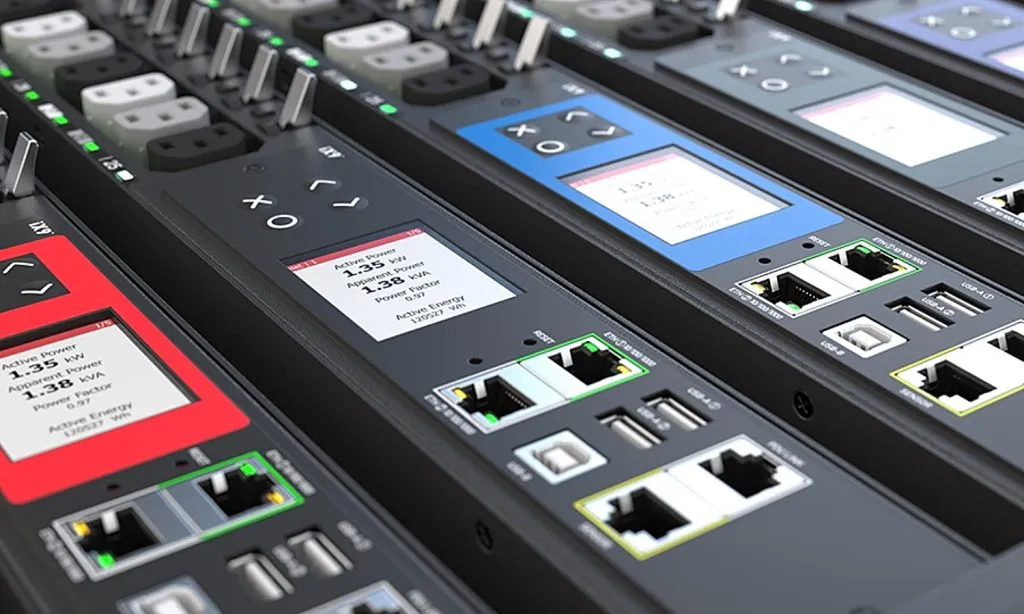
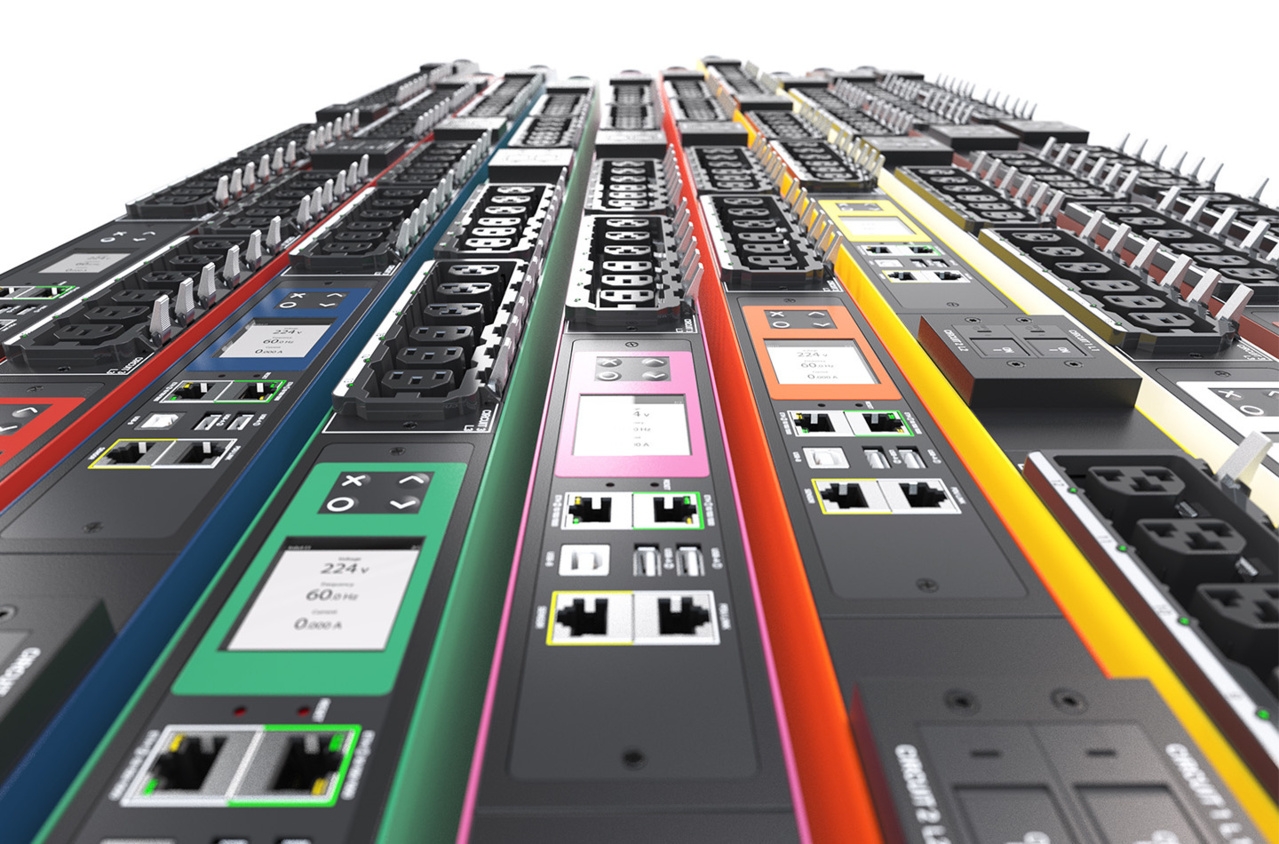
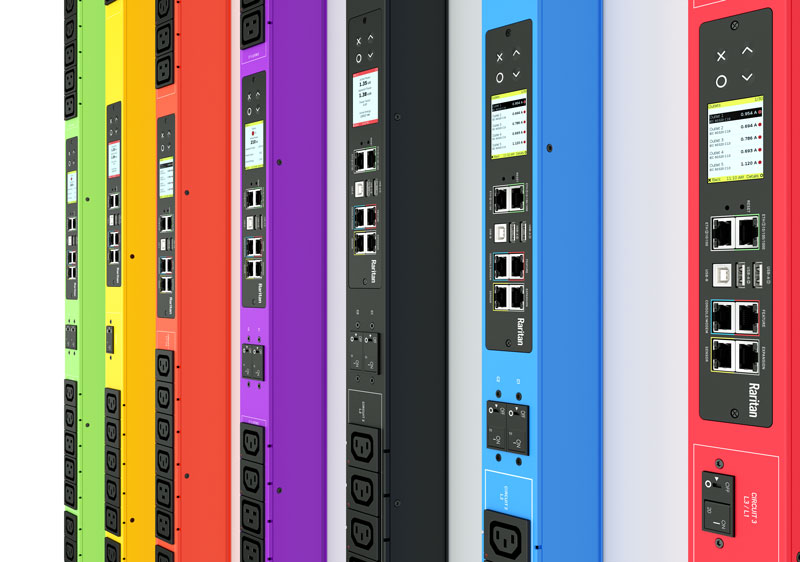
Intelligent rack PDUs (iPDUs) offer a distinct advantage over other types of PDUs, because, in addition to supplying a reliable source of power to the rack, they also provide real-time power monitoring, and rack sensor information such as temperature and humidity monitoring via a Web browser or command line interface (CLI). Remote outlet switching capabilities may also be added for even greater benefits.
Most importantly, they can help IT administrators and facilities managers achieve a number of important corporate performance goals relating to efficiency and productivity, as well as benefit the company’s overall environmental initiatives. Consider some of these advantages:
Improved uptime and staff productivity
Because IT administrators can monitor power at the PDU level, with user-defined thresholds and alerting via e-mail, text, or SNMP, IT administrators can be made aware of – and act upon — potential issues before they occur. Remote rebooting of servers and IT equipment via outlet-level switching from anywhere in the world via a Web browser also helps improve uptime and productivity efforts.
Efficiently utilized power resources
Intelligent rack PDUs with outlet switching allow admins to set user-configurable outlet-level delays for power sequencing, which helps prevent circuits from tripping from IT equipment in-rush currents.
Provisioning outlets only when they’re needed also prevents IT equipment from being plugged into circuits that are already heavily loaded and are at risk of tripping circuit breakers.
Informed capacity planning decisions
Even if a data center appears to be out of power capacity, outlet-level monitoring by an intelligent rack PDU may help identify some simple rearrangements of IT equipment to free up power resources. Outlet-level monitoring also helps identify equipment that needs to be changed to stay within the margin of safety. By providing PDU-level monitoring, it’s easy for admins to set thresholds, so they know when the equipment gets close to circuit limits. And because counterintuitive changes in temperature may occur when a data center is rearranged, an intelligent rack PDU allows administrators to measure temperature and other environmental data.
Save power and money
Using outlet-level power monitoring combined with trend analysis, intelligent rack PDUs can closely track individual server performance. For example, those that constantly run at 30% of peak power are candidates for virtualization or decommissioning. Remote power cycling also saves money as IT managers can quickly reboot hung or crashed servers and IT equipment without having to incur the cost of site visits. IT lab and some production network equipment can be turned off during non-work hours to conserve energy and reduce carbon footprints.
Take a step towards becoming a more green data center
A common data center mistake is overcooling IT equipment. While it is true that excess heat can shorten the life of IT equipment or even cause it to fail, excessive cooling does not prolong equipment life and is wasteful of energy. Data center environment sensors attached to intelligent rack PDUs help data center managers optimize their air conditioning and humidification settings and improve efficiency.
For example, the American Society of Heating, Refrigerating and Air-Conditioning Engineers (ASHRAE) has recently expanded its recommended range for cool air entering IT equipment from, at the low end, 68 degrees F to 64 degrees F and, at the high end, from 77 degrees F to 81 degrees F. Temperature and humidity sensor data fed through intelligent rack PDUs can allow data center managers to adjust set points and monitor the results at individual racks.
Learn more about Raritan intelligent rack PDUs or schedule a demo with our product specialist today.
Frequently Asked Questions
What is an intelligent PDU and how is it different from a standard PDU?
An intelligent PDU (iPDU) goes beyond basic power distribution by adding real-time power monitoring, temperature and humidity sensing, remote outlet switching, and alerting capabilities via email, SMS, or SNMP. Standard PDUs only provide power distribution without these monitoring and control features, making iPDUs essential for data centres that need visibility into power consumption and environmental conditions.
Can I remotely restart servers using an intelligent PDU?
Yes, intelligent PDUs with outlet-level switching allow you to remotely reboot individual servers or equipment from anywhere in the world through a web browser or CLI interface. This capability reduces downtime by eliminating the need for on-site intervention during power-related issues.
How do intelligent PDUs help prevent circuit breaker trips?
iPDUs allow admins to configure outlet-level power sequencing with user-defined delays, which prevents multiple devices from drawing power simultaneously and causing in-rush currents that trip circuits. This also prevents overloading circuits by ensuring equipment is only connected to outlets with available capacity.
What monitoring alerts can I set up on an intelligent PDU?
You can set custom thresholds for power consumption, temperature, and humidity, with alerts delivered via email, SMS (text), or SNMP to your monitoring systems. These proactive alerts notify you of potential issues before they cause downtime or equipment damage.
Are intelligent PDUs cost-effective for smaller data centres in Singapore or Southeast Asia?
Yes, iPDUs help identify inefficiencies in power distribution and prevent costly downtime, which provides ROI even in smaller deployments. In high-density data centres common across APAC regions with limited space, iPDU outlet-level monitoring helps maximise existing power capacity and defer costly infrastructure upgrades.
How can intelligent PDU data help with capacity planning?
Outlet-level power monitoring reveals which equipment is consuming the most power and identifies underutilized circuits, allowing you to make informed decisions about equipment placement and upgrades. This data helps you safely expand capacity and avoid overloading circuits before they become critical issues.

Published by
eNOVA Technologies is Singapore's specialist distributor for data centre IT management solutions, representing Adder, Guntermann & Drunck, Raritan, Sunbird, ZPE Systems, and VuWall across Singapore and Southeast Asia. Our technical content is produced with AI assistance and reviewed by our in-house team before publication.
This article was produced with AI assistance and reviewed by the eNOVA Technologies team. All technical claims are verified against manufacturer documentation.